Modern passenger vehicles are marvels of mechanical engineering. Decades ago, reaching one hundred thousand miles on an odometer was considered an exceptional achievement for any automobile. Today, however, modern manufacturing standards and tight engineering tolerances have completely shifted the baseline of consumer expectations. Drivers regularly watch their odometers climb well into the six-figure range without experiencing major catastrophic failures. Yet, hitting the elusive three hundred thousand mile mark remains an exclusive milestone that requires a serious dedication to maintenance. Achieving extreme vehicle longevity demands a deliberate, systematic approach to automotive preservation. Car owners who successfully reach this destination view their vehicles as valuable long-term investments rather than disposable consumer goods. This comprehensive blueprint outlines the practical strategies, maintenance habits, and operational philosophies required to keep a vehicle running smoothly for hundreds of thousands of miles. By understanding how different automotive systems interact and degrade over time, any motorist can significantly extend the operational lifespan of their dependable machine. It is all about consistent attention to detail and refusing to cut corners when it comes to routine maintenance.
Establishing a Rigid Lubrication Routine
The internal combustion engine relies entirely on clean lubrication to survive the immense heat and friction generated during daily operation. Over time, heat breaks down the chemical properties of motor oil, drastically reducing its ability to protect moving metal components from grinding against each other. Neglecting this simple reality is the fastest way to cause permanent internal friction damage that shortens an engine’s life. Consistently scheduling a timely oil change stands as the single most critical task for anyone trying to hit the three hundred thousand mile mark. Waiting too long allows thick sludge to accumulate in the oil pan, choking off vital lubrication to overhead cams and piston rings. Synthetic lubricants offer superior resistance to thermal breakdown, making them an excellent choice for drivers looking to maximize overall engine life. Beyond the engine itself, keeping fresh fluids in the cooling system, power steering rack, and brake lines protects vital seals and pumps from premature failure. A proactive approach to fluid health ensures that major mechanical subassemblies operate in optimal environments for decades to come.
Adhering to Factory Maintenance Schedules
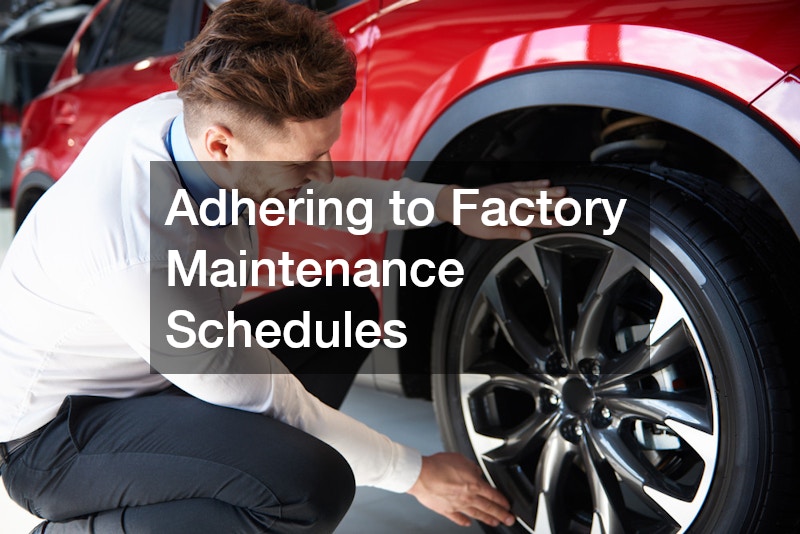
Every vehicle manufacturer provides a detailed maintenance schedule designed to prevent mechanical components from failing unexpectedly. These guidelines are not arbitrary suggestions; they are calculated timetables based on rigorous real-world testing and precise engineering data. Skipping a major milestone checkup because the vehicle seems to be running fine is a short-sighted strategy that often leads to unexpected breakdowns down the road. Committing to a regular factory-recommended auto service allows certified technicians to inspect wear items before they trigger a domino effect of mechanical failure. During these periodic inspections, mechanics evaluate components like drive belts, hoses, spark plugs, and filters that naturally degrade over time. For example, a worn timing belt might not give any audible warning signs before it snaps, but catching it during a scheduled inspection prevents catastrophic internal cylinder damage. Keeping meticulous documentation of these service intervals also creates a historical record that helps track recurring issues. Consistency in preventative maintenance transforms a standard passenger vehicle into a reliable long-term machine capable of enduring decades of heavy use.
Protecting the Drivetrain and Gears
While engine care dominates most automotive conversations, the system responsible for transferring that rotational power to the wheels is equally vital for longevity. The gearbox operates under immense mechanical stress, handling variable torque loads while managing extreme heat buildup during daily highway commutes. Transmission fluid breaks down just like engine oil, losing its hydraulic properties and frictional characteristics over extended periods. When fluid degrades, gears begin to slip, components overheat, and small metal shavings can contaminate the internal valve body. Addressing minor shifting abnormalities immediately can prevent a vehicle owner from facing a highly expensive transmission repair bill later on. Regular fluid exchanges, rather than aggressive chemical flushes on older high-mileage gearboxes, help keep internal clutches functioning smoothly. Drivers should also develop smooth driving habits, such as coming to a complete stop before shifting between reverse and drive. Forcing a vehicle to change directions while still in motion places immense stress on internal planetary gear sets, causing premature wear that is entirely preventable.
The Critical Role of Quality Rubber
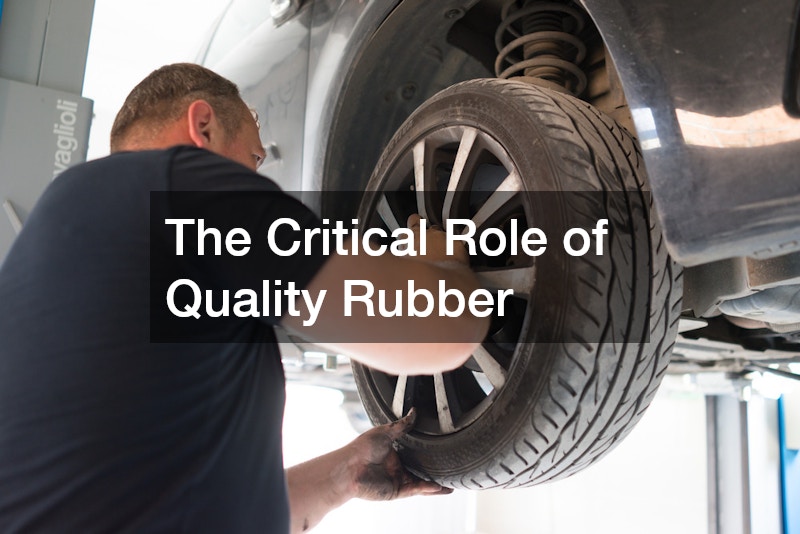
A vehicle can possess a pristine engine and a flawless transmission, but its overall safety and ride quality depend heavily on its connection to the pavement. The suspension and steering systems suffer continuous abuse from potholes, rough pavement, and road debris, which directly impacts how evenly the weight is distributed across the vehicle chassis. Misaligned steering causes uneven tire wear, forces the wheel bearings to work harder, and strains structural suspension bushings. Drivers who regularly visit a reputable tire store to purchase quality rubber and obtain professional alignments protect their vehicles from these uneven stresses. Rotating the tires every six thousand miles ensures uniform tread wear, maximizing the life of the investment while stabilizing handling characteristics. Correct tire inflation pressure is another simple yet overlooked factor that influences everything from fuel economy to suspension longevity. Under-inflated tires generate excessive heat and increase rolling resistance, forcing the powertrain to work harder than necessary. Proper chassis maintenance reduces the micro-vibrations that slowly loosen interior trim over time.
Tending to General Wear and Tear
High-mileage vehicles inevitably develop minor mechanical quirks, odd noises, or slight vibrations as components near the end of their engineered lifespans. The difference between a car that reaches three hundred thousand miles and one that ends up in a salvage yard often comes down to how the owner responds to these early warning signs. Ignoring a faint squeak or a minor fluid drip allows a small, affordable issue to snowball into a massive mechanical disaster. Finding a trustworthy garage for a prompt auto repair ensures that failing components are replaced before they damage adjacent systems. For instance, a worn wheel bearing left unaddressed can eventually seize entirely, damaging the axle assembly and creating a severe safety hazard on the highway. Modern onboard diagnostic systems provide helpful warning lights, but drivers must also use their own senses to detect subtle changes in braking performance or steering response. Treating every unusual symptom with serious attention keeps the vehicle in a state of constant mechanical readiness year after year.
Managing Major Mechanical Under-the-Hood Work
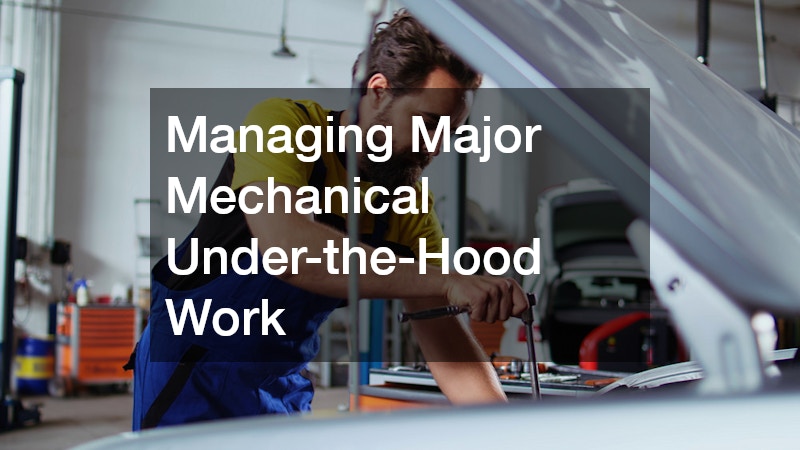
As an odometer ticks past the two hundred thousand mile threshold, certain heavy-duty internal components will naturally require deep technical attention regardless of how well the vehicle has been maintained. Gaskets dry out, timing chains stretch, and valve seals can wear down, leading to minor oil consumption or compression loss over time. Navigating these inevitable milestones requires a willingness to invest in specialized car engine repairs rather than simply giving up on the vehicle. Replacing an intake manifold gasket or a worn water pump might seem expensive in the short term, but it is vastly more cost-effective than purchasing a brand-new vehicle. Working with skilled technicians who understand complex diagnostics ensures that internal components are restored to original factory specifications. Keeping the cylinder head and engine block in optimal condition preserves fuel efficiency and maintains the structural integrity of the powertrain, allowing the vehicle to cross into extreme mileage territory with absolute confidence. Experienced owners understand that mechanical wear is a natural part of a car’s life cycle, and addressing these deeper issues is simply a necessary mid-life update for the vehicle.
Defending the Exterior Body and Frame
The structural longevity of a vehicle is determined just as much by the integrity of its steel frame and body panels as it is by its mechanical health. Environmental hazards like road salt, industrial fallout, ultraviolet rays, and bird droppings constantly attack automotive paint and underbody coatings. If left untreated, these elements cause rust, which can quickly compromise structural crossmembers and body panels, rendering a mechanically sound car completely unsafe. Committing to a frequent, thorough car wash is the primary defense against this silent, destructive oxidation process. Spraying out the wheel wells and undercarriage is particularly vital during the winter months when chemical de-icers cling to bare metal surfaces. Clean paint also prevents moisture from becoming trapped in small rock chips, which can quickly bloom into bubbling surface rust if neglected. By establishing a consistent exterior cleaning routine, drivers ensure that the structural skeleton of the vehicle remains solid enough to support a powertrain capable of running for several more decades. It is a simple habit that yields massive returns in terms of physical durability.
Deep Rejuvenation for Cabin and Paint
While regular washing keeps the bulk of road grime at bay, long-term paint and interior preservation require a deeper level of specialized care. Automotive clear coats need ongoing protection from the elements to prevent oxidation, fading, and peeling over a multi-decade lifespan. Utilizing a professional car detailing service provides the deep cleaning, paint decontamination, and protective waxing required to maintain an impenetrable barrier against environmental damage. Inside the cabin, UV rays can dry out leather seats, crack dashboard plastics, and degrade carpet fibers, making the interior an unpleasant place to spend time. A detailed interior treatment cleans deep into switchgear, conditions upholstery, and applies protective coatings that shield plastics from sun damage. A clean, fresh interior significantly boosts owner satisfaction, making them much more likely to continue investing in the mechanical maintenance of an older vehicle. Preserving the aesthetic appeal of a car ensures that it feels comfortable and looks presentable even as its mileage reaches legendary heights. When a vehicle looks and feels like new, driving it remains an enjoyable experience rather than a chore.
Overcoming Structural Accidents

Even the most cautious drivers can find themselves involved in minor parking lot scrapes, fender benders, or encounters with road debris. How an owner handles these cosmetic and structural mishaps plays a massive role in whether a vehicle can realistically achieve extreme mileage goals. Leaving a crumpled bumper or a misaligned fender unaddressed can expose bare metal to moisture, distort aerodynamic efficiency, and interfere with underlying mechanical components. Seeking assistance from a certified collision repair service guarantees that structural damage is repaired according to precise factory dimensions. Technicians utilize specialized frame-straightening equipment and corrosion protection methods to restore the structural safety cells of the vehicle perfectly. Ensuring that body panels fit properly prevents wind noise, water leaks, and unusual aerodynamic drag at highway speeds. Restoring the physical framework of the automobile after an accident protects the long-term investment and ensures the chassis remains straight and true for the remaining journey. Prompt attention to body damage keeps minor mishaps from shortening the vehicle’s functional lifespan.
Enhancing Vehicle Systems for the Long Haul
As automotive technology advances over the years, opportunities arise to enhance an older vehicle with modern components that improve durability and daily usability. Stock factory parts are often chosen by manufacturers to balance production costs with baseline performance requirements, leaving room for targeted improvements later in life. Selecting smart car upgrades, such as heavy-duty cooling fans, high-efficiency radiators, or polyurethane suspension bushings, can significantly boost a vehicle’s resistance to wear and tear. Upgrading to high-quality ceramic brake pads and slotted rotors can improve heat dissipation, reducing stress on the braking system during heavy stop-and-go driving conditions. Additionally, installing modern LED headlights improves nighttime visibility, while updated cabin technology can make a classic commuter car feel perfectly relevant in the modern era. These careful modifications do not change the core identity of the automobile; instead, they fortify its weakest links and adapt its systems to withstand the challenges of continuous, long-term operation. Choosing quality aftermarket enhancements can breathe new life into a high-mileage vehicle, making it more resilient against daily wear.
Driving Forward With Confidence
Reaching three hundred thousand miles on a single odometer is an entirely achievable goal that rewards patience, discipline, and systematic maintenance. It is not the result of random chance, but rather the natural outcome of consistent, high-quality care. By treating fluid changes, mechanical diagnostics, exterior cleaning, and structural repairs as interconnected responsibilities, drivers can keep their favorite vehicles on the road indefinitely. Every proactive decision made today helps prevent an expensive, catastrophic failure tomorrow, transforming daily vehicle ownership into an economical, rewarding, and highly sustainable journey that stands the test of time.
About the Author