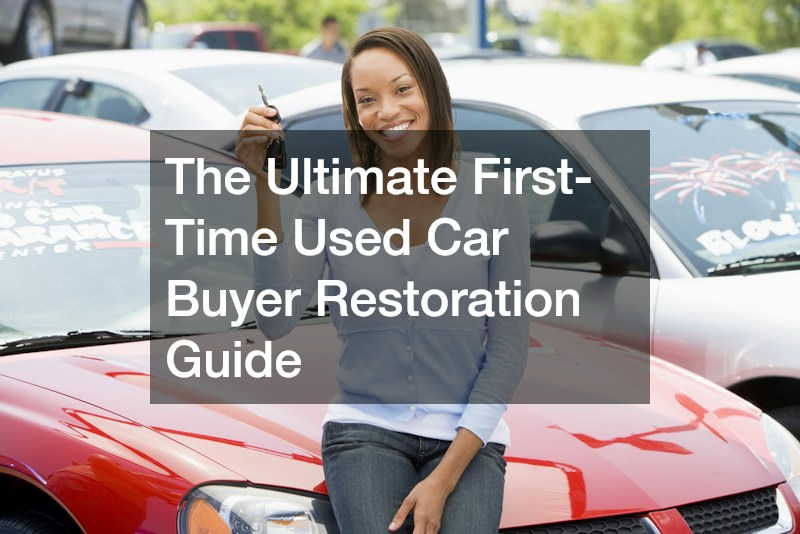
Buying a pre-owned vehicle is one of the most rewarding financial moves an auto enthusiast or practical driver can make. Finding a great deal on a used car offers unbeatable value, allowing you to skip the heavy depreciation hit that comes with driving a brand-new vehicle off the dealership lot. However, the thrill of the deal is often followed by a sobering reality check: missing service records, worn suspension bushings, faded paint, or underlying mechanical gremlins left behind by the previous owner.
Restoring a newly acquired used car does not mean committing to a multi-year, frame-off overhaul in a high-end garage. For the average buyer, restoration simply means “baselining”—systematically bringing an older vehicle back to peak mechanical reliability, cabin comfort, structural safety, and visual appeal. Taking a methodical approach transforms a questionable second-hand bargain into a dependable, proud daily driver. This guide walks you through every step of the baselining journey, from getting your new purchase home safely to preserving its finish for years to come.
Securing and Transporting Your New Purchase
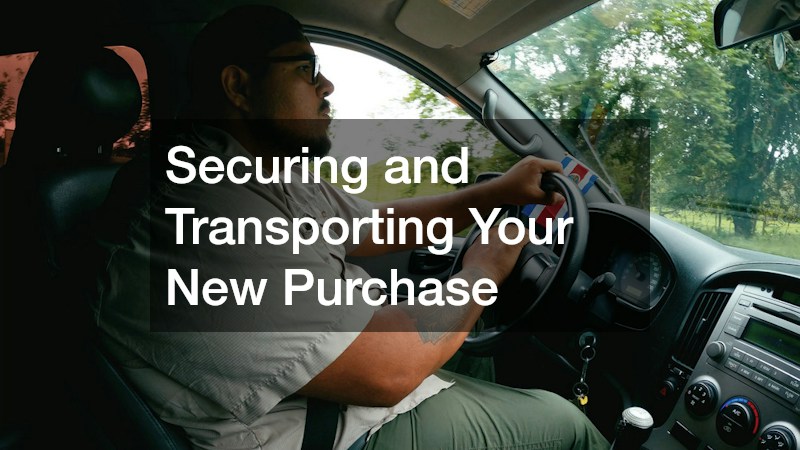
The restoration process begins the moment the bill of sale is signed. Before worrying about horsepower or exterior polish, you must address two immediate logistical priorities: securing vehicle access and transporting the car safely to your garage or preferred workspace.
Many used vehicles arrive with only a single battered key, or worse, an electronic key fob that functions intermittently. Security should always be your immediate concern after taking ownership. Former owners, valets, or auction houses may still have spare physical keys floating around, or the digital immobilizer may retain old paired devices. Enlisting a qualified auto locksmith company allows you to clear the vehicle’s memory of lost keys, cut fresh physical blades, and program new transponder fobs. Addressing entry systems right away prevents frustrating lockouts and gives you total security over your new investment.
Once access is secured, evaluate whether the car is actually fit to be driven home under its own power. First-time buyers often make the mistake of driving an uninspected purchase directly onto the highway, only to suffer catastrophic engine overheating, tire blowouts, or brake failure. If the vehicle has been sitting for months, displays soft brake feel, shows signs of major fluid leaks, or lacks current registration, driving it home poses an unnecessary risk.
Before getting behind the wheel for the initial drive, run through these baseline checks:
- Check fluid levels, including engine oil, coolant, and brake fluid.
- Inspect tire condition for severe cracking, uneven wear, or low pressure.
- Verify brake pedal firmness and handbrake operation.
- Confirm all exterior lights and signals are functioning.
Calling professional towing companies to transport an uninspected or non-running vehicle via flatbed protects your engine, transmission, and differential from preventable wear. Flatbed transport is especially vital for all-wheel-drive vehicles or cars with unknown automatic transmission conditions, as rolling them with dead engines can destroy internal components. Spending a small amount on safe transport saves thousands in potential repair bills before your project even begins.
Mechanical Baselining and Vital Fluid Refresh
With the vehicle safely parked in your driveway or shop, the real work begins under the hood. The fundamental rule of used car ownership is simple: assume every fluid is expired unless proven otherwise by verified documentation. Establishing a fresh mechanical baseline guarantees that your engine, transmission, and cooling systems operate within factory tolerances.
Engine oil is the lifeblood of your powertrain, but over time, thermal breakdown causes it to lose viscosity and build up harmful sludge inside internal passages. Performing an immediate oil change using a high-quality synthetic blend or full synthetic oil, along with an OEM-spec filter, resets your maintenance clock and allows you to inspect the drained fluid for metal shavings or coolant contamination.
A complete mechanical refresh should address fluids in a logical order:
- Engine oil and filter replacement
- Engine coolant and antifreeze flush
- Brake and clutch fluid flush
- Transmission fluid and filter service
- Power steering fluid flush
- Differential and transfer case oil replacement
Beyond basic engine lubrication, a total mechanical baseline requires inspecting key engine accessories and safety systems. You will want to look over the following critical wear items during your initial teardown:
- Serpentine & Timing Belts: Look for micro-cracking, fraying, or squealing pulleys. A broken timing belt on an interference engine causes instant valve-to-piston destruction.
- Ignition Components: Pull and read the spark plugs to diagnose cylinder health, and replace old ignition coils or spark plug wires to eliminate micro-misfires.
- Braking Components: Inspect brake pads for even wear, check rotors for heat scoring or warping, and replace soft rubber brake lines if pedal travel feels spongy.
- Suspension & Steering: Check control arm bushings, ball joints, and tie rod ends for torn rubber boots or excessive play that causes steering wander.
Handling these mechanical items requires time, specialized tools, and technical patience. Booking professional auto repair services for complex tasks like timing belt replacements, press-in wheel bearings, or complete system flushes gives you peace of mind knowing that critical safety systems are handled correctly.
Professional Diagnostics and System Overhauls
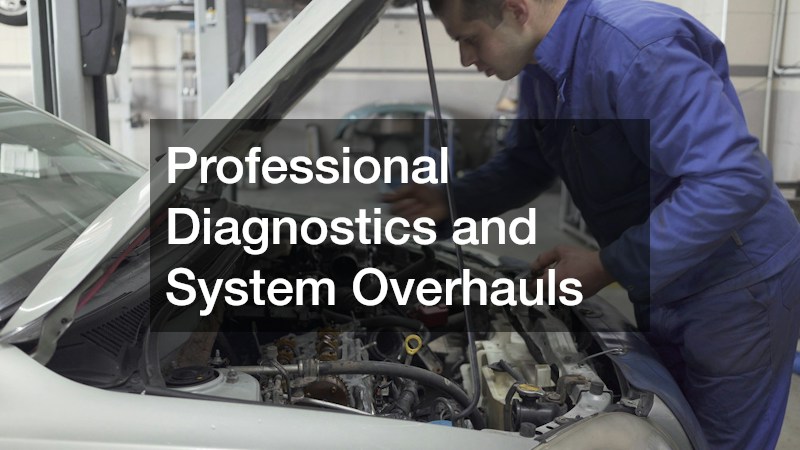
Even if a used car runs smoothly on your initial test drive, modern vehicles rely heavily on complex electronic networks. On-board computer systems often store pending fault codes long before a warning light illuminates on the dashboard. Identifying these hidden issues early keeps minor sensor faults from escalating into major drivability problems.
To get an accurate health check of your vehicle’s electrical and mechanical systems, visit a full-service auto repair shop equipped with advanced diagnostic equipment. Experienced technicians can run full-system network scans, measure live sensor data, analyze fuel trim values, and check for software updates or outstanding factory recalls. Establishing a relationship with a reliable shop gives you access to professional lifts and diagnostic tools whenever a project exceeds your home garage setup.
Cabin comfort is another essential component of a successful restoration. Few issues ruin the daily driving experience quite like a failing climate control system. Over time, air conditioning systems lose refrigerant through microscopic seal leaks, while compressor clutches wear down and heater cores clog with scale.
Pay attention to key symptoms when testing your climate control:
- Warm air output typically points to low refrigerant levels or an active system leak.
- Clicking or grinding noises often signal a failing compressor clutch.
- Musty odors inside the cabin indicate mold or mildew accumulation on the evaporator core.
- Weak airflow through the vents usually stems from a severely clogged cabin air filter.
If your climate control blows warm air or struggles during hot weather, scheduling a dedicated car AC repair will identify exact points of failure. Technicians can vacuum test the refrigerant lines, replace worn O-rings, recharge the system with precise amounts of refrigerant, and restore crisp, cold airflow to the cabin. Addressing heating and cooling issues transforms an unappealing project car into an enjoyable daily driver.
When prioritizing repairs on a tight budget, always organize your workflow by necessity rather than appearance:
- Safety First: Brakes, tires, steering linkage, and lighting systems.
- Mechanical Reliability: Engine cooling, oil leaks, belts, and charging systems.
- Comfort & Convenience: Air conditioning, power windows, sound insulation, and door locks.
- Cosmetic Enhancements: Bodywork, glass clarity, and paint finishing.
Committing to comprehensive auto repair addresses minor issues before they trigger cascading mechanical failures down the road.
Structural Integrity and Glass Restoration
Once the powertrain and electrical systems run smoothly, shift your focus to structural integrity and exterior visibility. Years of road debris, fluctuating weather, and minor parking lot incidents leave visible scars on a vehicle’s glass, lighting, and body panels.
Windshields are far more than transparent barriers against wind and rain; they serve as structural components of the vehicle body. A cracked or heavily pitted windshield compromises structural integrity during a rollover accident and can prevent proper passenger airbag deployment. Deep pits also refract light from oncoming headlights, creating hazardous night-driving glare.
Calling a mobile auto glass repair service allows you to fill minor bullseye chips before they expand across the glass. If the windshield is severely cracked, complete replacement is necessary. Modern vehicles with Advanced Driver Assistance Systems (ADAS) will also require camera recalibration after glass installation to ensure lane-departure and automatic emergency braking systems function accurately.
When evaluating physical body condition, perform a thorough walkthrough:
- Check panel gaps for uneven alignment, which may indicate past accident damage or frame movement.
- Look inside wheel wells for hidden rust, missing liner clips, or tire rubbing marks.
- Inspect the undercarriage, frame rails, and jack points for severe corrosion or crush damage.
- Examine door jambs for factory spot welds and intact seam sealer to verify original panels.
Physical body damage should be evaluated with equal care. Minor door dings and bumper scuffs are cosmetic, but deep scratches that penetrate down to raw metal lead to rust, structural perforation, and panel failure.
- Rust Mitigation: Scrape, treat, and seal surface rust spots along rocker panels, wheel arches, and lower door edges before oxidation spreads.
- Panel Alignment: Adjust sagging door hinges, misaligned hoods, and loose trunk latches to ensure proper weather seal contact and reduce cabin wind noise.
- Lighting Restoration: Wet-sand and clear-coat oxidized, hazy plastic headlight lenses to restore nighttime road illumination.
For major cosmetic flaws, collision damage, or severe paint failure, scheduling professional auto body services ensures that panels are pulled, straightened, rust-proofed, and painted using OEM-matched color coats and durable clear coats. Correcting body alignment and exterior panels preserves the structural life of your vehicle while restoring its original road presence.
Surface Refinement and Long-Term Finish Protection
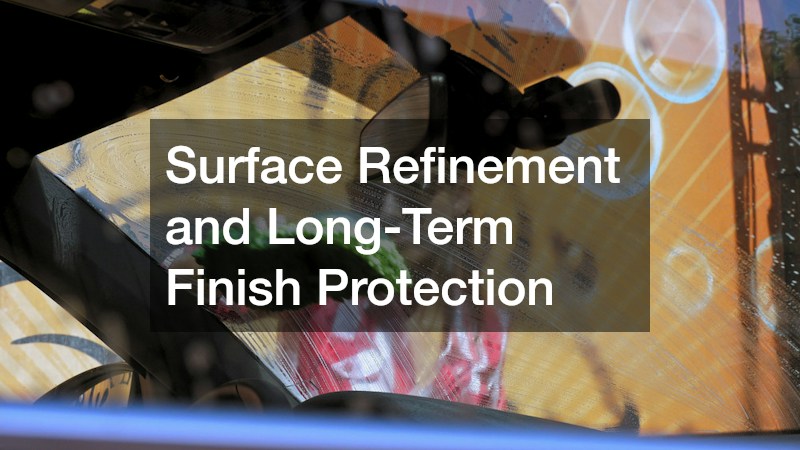
The final stage of used car restoration is paint correction and surface protection. Bringing aged, swirled, and oxidized paint back to a deep, mirror-like gloss completes the transformation, making your pre-owned purchase look like it just rolled off the showroom floor.
Aged paint accumulates embedded environmental contaminants like industrial fallout, brake dust, tree sap, and tar that standard washing cannot remove. Restoring paint requires a systematic decontamination process:
- Chemical decontamination using specialized iron remover sprays.
- Mechanical decontamination with a clay bar to lift embedded grit.
- Compound polishing to eliminate deep swirl marks, heavy oxidation, and scratches.
- Finish polishing to enhance gloss and clarity.
- Surface wipe-down to remove remaining polishing oils and residue.
- Application of a durable protective layer to seal the paint.
After removing physical contaminants, machine polishing levels the clear coat to erase fine scratches, wash swirls, and etching caused by bird droppings or acid rain. Once the paint is smooth and clear, applying a durable protective layer is vital to prevent future UV fading and clear coat failure.
While traditional waxes and ceramic coatings shield against light weathering, they offer no defense against physical impact like highway gravel, flying road debris, or abrasive sand. Working with a certified PPF company allows you to protect high-impact front-end zones with ultra-durable paint protection film. Modern thermoplastic polyurethane films absorb rock impacts, feature self-healing topcoats that erase fine scratches with heat, and preserve your newly restored paintwork for years.
To keep your restored vehicle looking its best, follow a proper ongoing maintenance routine:
- Wash the exterior using two buckets equipped with dirt guards to avoid reintroducing swirl marks into the paint.
- Apply hydrophobic ceramic sprays or sealants every few months to encourage water beading and simplify routine cleaning.
- Condition rubber door seals with silicone lubricant to prevent drying, cracking, and water leaks.
- Clean and treat leather or vinyl interior upholstery with dedicated UV blockers to prevent sun fading.
Enjoying the Rewards of Your Restored Investment
Restoring a used car is a journey that demands patience, organization, and methodical effort. By working systematically—securing vehicle access, refreshing critical fluids, diagnosing electronics, repairing structural glass, and sealing paintwork—you turn an uncertain second-hand purchase into a safe, head-turning daily driver.
Beyond the financial savings of avoiding new-car debt, baselining a pre-owned vehicle gives you deep insight into every nut, bolt, and mechanical system powering your drive. You gain the confidence of knowing exactly how your car operates, how it was maintained, and that it is fully prepared for miles of reliable road trips ahead. With the right plan and quality care, your restored vehicle will deliver years of driving satisfaction, pride of ownership, and lasting value.
About the Author