Owning a dependable car takes far more than filling the gas tank and hoping for the best. Every highway mile leaves a mark. Winter freezes, summer heat, and sharp potholes wear down parts slowly over time. Smart car owners treat vehicle care as an ongoing habit rather than a last-minute emergency. When drivers understand how mechanical systems and exterior surfaces work together, they make better choices at the shop and save real money over the life of their cars.
A balanced maintenance routine covers everything from underbody hardware to clear coat protection. Finding reliable auto repair early keeps minor wear from turning into an expensive breakdown on a rainy commute.
Building Confidence Through Routine Mechanical Care
Most drivers only think about what happens under the hood when a dashboard warning light flickers on. By that point, a simple worn belt or low fluid level may have already strained nearby parts. Regular inspections catch small problems while replacement components are still cheap and easy to swap out.
Stopping power deserves special attention. Friction components wear down gradually with every red light and steep hill. Technicians who handle brake repair services check pad thickness, rotor surfaces, caliper slide pins, and hydraulic fluid condition during a thorough inspection. Fresh pads paired with smooth rotors stop a vehicle straight and quiet. Old, glazed pads increase stopping distances in wet weather and chew up expensive rotors. Listening for faint squealing sounds or feeling a soft brake pedal early saves drivers from costly caliper replacements later.
Beyond brakes, routine fluid exchanges, battery load tests, and serpentine belt checks keep daily commuters out of the breakdown lane. Establishing a relationship with a trustworthy auto repair shop gives vehicle owners a clear, documented service history. Mechanics who see the same car every six months notice slow oil seeps, aging coolant hoses, and unusual valve noises long before a part fails on the open road. That steady paper trail also reassures future buyers when the owner eventually upgrades to a newer model.
How Suspension Geometry Affects Daily Driving

A car can have a healthy engine and still feel exhausting to drive if its wheels point slightly off center. Hitting a deep curb or bouncing through rough construction zones knocks suspension angles out of factory spec. Even a tiny shift in camber, caster, or toe changes how the vehicle tracks down a straight highway.
Scheduling a proper auto alignment restores those exact angles using calibrated sensors mounted on all four corners. When the geometry sits right where engineers intended, the steering wheel stays centered and the car stops pulling toward the shoulder. Drivers immediately notice less fatigue on long highway trips. Ball joints, tie rod ends, and strut mounts also last longer when suspension components share road impacts evenly.
Proper geometry also protects rubber from uneven wear patterns like feathering or cupping along the inner shoulder. Quality tires represent a major investment for any household. Bad suspension angles can ruin a brand-new set in just a few thousand miles. Keeping the chassis straight lets each corner share the load evenly during brisk acceleration, hard braking, and sharp cornering.
Exhaust Systems and Underbody Health
Parts underneath a vehicle take constant abuse from road salt, loose gravel, deep puddles, and steep driveway aprons. Owners rarely look beneath their bumpers. Because of that, surface rust and loose rubber hangers often go unnoticed until the car starts making a racket. A deep rumble under the floorboards or a metallic rattle over speed bumps usually points straight to the exhaust path.
Prompt muffler repair stops loud cabin noise and prevents dangerous exhaust gases from leaking beneath the passenger compartment. A damaged muffler or corroded pipe also disrupts exhaust backpressure, which can hurt fuel economy and trigger stubborn oxygen sensor codes. Replacing rusted hangers or patching a worn section early costs far less than rebuilding the entire exhaust line from the catalytic converter back. Quiet exhaust flow keeps long road trips comfortable and helps engines breathe efficiently under heavy throttle.
While a technician has the vehicle raised on a hydraulic lift, checking metal hydraulic lines and rear stopping hardware makes practical sense. Winter salt spray corrodes steel brake lines and seizes rear caliper slide mechanisms faster than most drivers realize. Combining underbody checks with seasonal brake repair services keeps critical safety hardware clean, lubricated, and ready for sudden stops.
Protecting Rim Integrity on Rough Roads
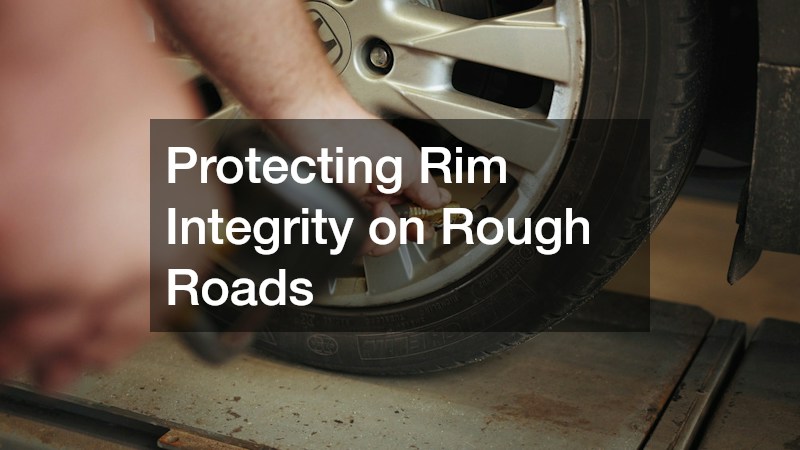
Modern cars often ride on large lightweight alloy rims wrapped in low-profile sidewalls. That setup looks sporty and sharpens steering response. Yet it leaves very little air cushion when a wheel slams into a sharp asphalt edge. A bent lip or hairline barrel crack causes slow air leaks and annoying steering wheel vibrations at highway speeds.
Professional wheel repairs straighten minor bends, weld small cracks, and refinish scraped faces so rims balance properly again. Fixing a damaged factory alloy costs a fraction of ordering a new original equipment wheel from a dealership parts counter. Technicians spin-balance the restored rim afterward to verify that rotational weight sits evenly around the central hub. Smooth-rolling rims protect wheel bearings from premature wear and keep cabin vibration to a minimum.
Once a bent rim is straightened and balanced, checking the suspension geometry is a smart follow-up step. Hard impacts almost always nudge control arms or tie rods slightly out of position. Pairing rim restoration with an auto alignment ensures the whole corner rolls true without chewing up wheel bearings or rubber bushings.
Choosing Rubber Built for Local Weather
No safety system on a modern vehicle works well without solid grip where rubber meets pavement. Anti-lock brakes, electronic stability control, and all-wheel drive all rely on tread blocks clearing standing water and biting into asphalt. Driving on bald or dry-rotted rubber turns a routine afternoon rainstorm into a white-knuckle skid.
Shopping for new tires means matching tread design and rubber compound to local seasonal conditions and driving habits. All-season touring models work well for mild climates and quiet highway miles. Dedicated winter compounds stay soft and grippy when temperatures drop below freezing. Checking cold inflation pressure once a month also prevents dangerous sidewall heat buildup and improves overall fuel mileage. Rotating sets every five thousand miles evens out front-to-rear wear rates and extends total tread life.
When technicians mount fresh rubber, they also inspect rubber valve stems, electronic pressure sensors, and rim bead seats for crusty oxidation. Older aluminum rims often develop white corrosion along the inner bead ledge that lets air seep out overnight. Addressing rim corrosion and cosmetic curb rash through timely wheel repairs creates an airtight seal and keeps the whole stance looking crisp.
Addressing Dents, Scratches, and Collision Damage

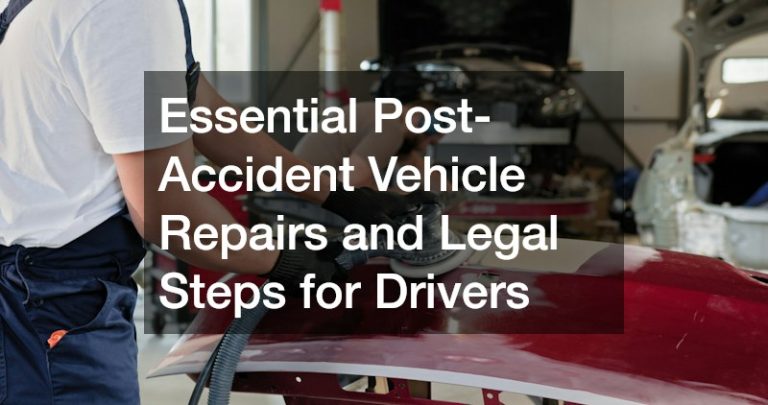
Even the most cautious driver cannot control distracted commuters in crowded grocery store parking lots. Door dings, stray shopping cart scrapes, and minor fender benders happen every single day. Bare sheet metal rusts fast. Leaving scratches exposed to rain and humidity invites corrosion to bubble beneath surrounding paint within a few short months.
Seeking out dependable local auto body repairs restores structural safety and brings uneven factory panel gaps back into line. Modern vehicles rely on carefully engineered crumple zones and hidden radar sensors mounted right behind plastic bumper covers. A qualified collision technician checks underlying mounting brackets and recalibrates driver-assistance sensors rather than simply slapping filler over a dent. Proper frame measurements guarantee that doors latch smoothly and weatherstripping seals out wind noise.
Quick cosmetic fixes also protect resale value when it comes time to trade in or sell the vehicle. Private buyers walk away fast when they spot mismatched paint shades, wavy clear coat, or sagging bumper corners. Clean metalwork and accurate color blending show that the previous owner cared for the whole car.
Modern Paint Protection for Long-Term Shine
Factory automotive paint looks glossy on the showroom floor, yet it faces relentless attacks the moment a car hits the open road. Ultraviolet rays fade rich pigments, acidic bird droppings etch into clear coat, and sticky road tar clings to lower rocker panels. Traditional paste wax adds temporary shine, though summer heat and automatic car wash detergents strip it away fast.
Applying a professional car ceramic coating creates a semi-permanent chemical bond with the factory clear coat. This hydrophobic liquid polymer cures into a slick, glass-like shield that repels muddy water, brake dust, and road grime. Dirt rinses off easily during a routine hand wash, sharply reducing the chance of fine swirl marks caused by heavy scrubbing. Water beads up tightly and rolls right off the hood after a summer thunderstorm.
Surface prep makes all the difference before applying any long-term protection. Detailers wash, decontaminate, and machine-polish the exterior so the paint sits completely smooth. Existing scratches or oxidized clear coat must be corrected first because the coating locks in whatever lies underneath. A reputable auto body facility often offers multi-stage paint correction alongside exterior protection so freshly refinished panels stay glossy for years.
Customizing Vehicle Appearance Without Permanent Paint
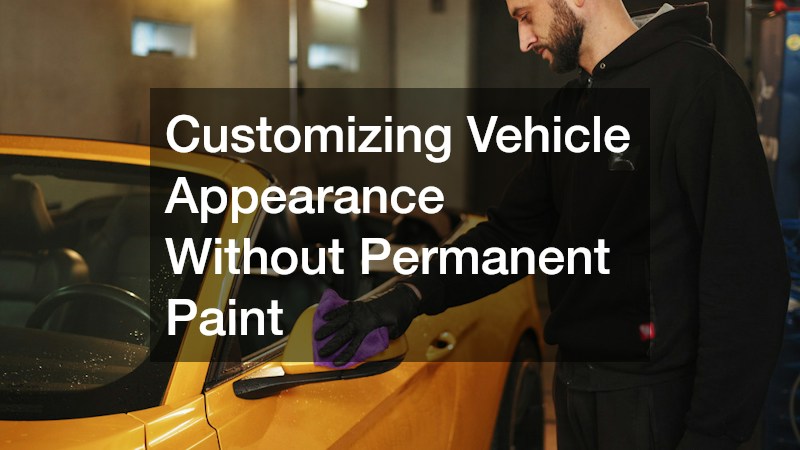
Not every driver wants to stick with the standard factory color chosen by the original buyer. Some owners crave a satin finish, a bold metallic hue, or subtle matte accents across the hood and roof. Full custom resprays cost thousands of dollars and tie up a vehicle for weeks in a paint booth. They also permanently alter the original factory finish.
A high-grade vinyl wrap service offers a reversible way to transform a vehicle’s entire color profile in just a few days. Skilled installers clean every seam, remove exterior trim pieces, and stretch cast adhesive film smoothly around complex bumper curves. Beneath that durable film, the original factory paint stays shielded from harsh sun exposure, minor rock chips, and light brush scratches. When the owner decides to sell the car years later, a technician can peel the film away to reveal pristine factory paint underneath.
Owners who want maximum gloss and effortless washing can even layer extra protection over their newly wrapped panels. Specific formulations of car ceramic coating bond safely to both gloss and satin films without altering the intended sheen. That combination gives drivers custom color expression plus easy cleanup during messy spring and autumn weather.
Coordinating Cosmetic and Structural Restoration
After a minor collision or severe hailstorm, vehicle owners sometimes juggle multiple shops to get everything back to normal. One facility handles frame straightening and panel replacement, while another specialist handles custom graphics or protective films. Coordinating those steps in the right sequence prevents wasted money and frustrating curing issues.
Experienced auto body technicians know that freshly sprayed paint needs proper outgassing time before anything covers the surface. Sealing uncured clear coat too early traps evaporating solvents. That mistake causes cloudiness or peeling down the road. Good shops communicate clear timelines so owners know exactly when fresh panels are ready for detailing or protective film.
Once fresh paint has fully cured, scheduling a vinyl wrap service for racing stripes, roof blackouts, or full color changes delivers clean, razor-sharp edges. Installers work smoothly over properly prepped panels without lifting fresh clear coat during alignment adjustments. Planning collision work and aesthetic upgrades together produces a cohesive finish that looks straight out of a custom studio.
Building a Smart Annual Care Schedule
Keeping a car reliable and attractive does not require mechanical training or an endless maintenance budget. Spreading inspections across the four seasons turns daunting upkeep into simple, predictable habits. Spring is an ideal time to wash away corrosive winter road salt, inspect underbody parts, and check suspension angles after pothole season.
Summer heat tests cooling systems, aging batteries, and exterior finishes under intense midday sun. Autumn brings wet leaves and early morning frost, making fresh wiper blades, cabin heaters, and exhaust checks top priorities before windows stay rolled up all winter. Catching a small exhaust leak through early muffler repair in October keeps cold-weather commutes warm, quiet, and safe.
Winter maintenance focuses on reliable cold starts, strong battery voltage, proper antifreeze strength, and confident traction on slick pavement. A simple glove-box logbook tracks oil changes, tire rotations, inspections, and cosmetic work over the years. Consistent attention rewards drivers with lower repair bills, higher trade-in value, and a car that feels solid every single morning.
About the Author