When a traffic collision occurs, shock and confusion can quickly overtake everyone involved. Drivers must immediately prioritize physical safety above all other concerns. The very first action involves turning on hazard lights to alert oncoming motorists of the hazard ahead. If the vehicles remain operational and traffic allows, moving them to the shoulder or a nearby parking lot helps prevent secondary collisions. Motorists ought to check themselves and all passengers for injuries before stepping out onto the roadway. Extreme caution is required when exiting a vehicle, especially on busy highways or during poor weather conditions.
Calling emergency services remains an indispensable step regardless of how minor the incident appears. Dispatchers send law enforcement and medical teams to manage traffic, evaluate injuries, and construct an official record of the event. While waiting for responders to arrive, drivers should stay calm and refrain from accepting blame or apologizing. Emotional statements made immediately after a crash can easily be misconstrued as admissions of fault later during insurance claims. Drivers can also contact dispatchers or subscription emergency services to request immediate roadside assistance when minor mechanical issues keep the vehicle stuck on the roadway. Taking a few deep breaths helps maintain clarity during these tense first moments. Drivers should remain near their vehicles whenever it is safe to wait for help.
Managing Vehicle Extraction and Site Cleanup
Once immediate medical needs are addressed, attention shifts toward clearing the crash site safely. Damaged vehicles left in active lanes create severe hazards for surrounding motorists and emergency crews. In cases where a car cannot be driven under its own power due to crushed axles or leaking fluids, professional transport becomes essential. Drivers must arrange for quick towing to clear the road and prevent secondary collisions from occurring behind the incident.
Selecting where to transport a damaged vehicle requires careful thought. Drivers have the right to request transport to a designated storage lot or a preferred repair shop rather than allowing the vehicle to be taken to an unknown municipal yard. Storage fees accrue quickly at municipal impounds, adding unnecessary costs to an already expensive situation. Vehicle owners should request receipts and clear destination records from the driver before the transport vehicle leaves the scene. Additionally, clearing small vehicle shards, shattered glass, and detached plastic trim from the road surface prevents tire damage for other passing drivers. Coordinating these logistics swiftly sets a structured tone for the entire recovery process, eliminating unnecessary storage charges while protecting the disabled automobile from further exposure to inclement weather. Removing personal valuables from the cabin before transport prevents misplaced items later.
Gathering Critical On-Scene Evidence and Information
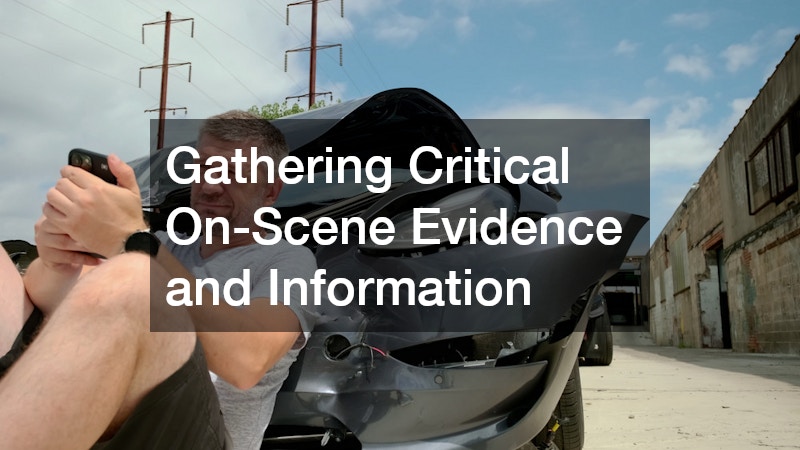
Thorough evidence gathering at the crash site builds the foundation for all future claims. Once safety is established, drivers need to record clear photographs of every vehicle involved from multiple angles. Close-up photos should capture specific body damage, paint transfer, shattered glass, deployed airbags, and tire marks on the pavement. Wide shots are equally important because they establish weather conditions, road signage, traffic light positions, and sightlines at the time of impact.
Exchanging information with all involved drivers is required by law. Motorists should record full names, phone numbers, driver’s license numbers, vehicle registration details, and insurance policy numbers. If witnesses are present, capturing their contact details before they leave can provide impartial statements later on. Drivers should also obtain the police report number and the officer’s badge details before leaving the area. When questions arise regarding liability or when severe injuries complicate negotiations, consulting a qualified car accident attorney helps protect a driver’s legal interests early in the process. Taking these steps prevents essential facts from fading over time and creates a verifiable timeline that insurance adjusters cannot easily dismiss or dispute. Organizing photo files by date simplifies subsequent document submissions for insurance processing.
Addressing Undercarriage and Wheel Damage
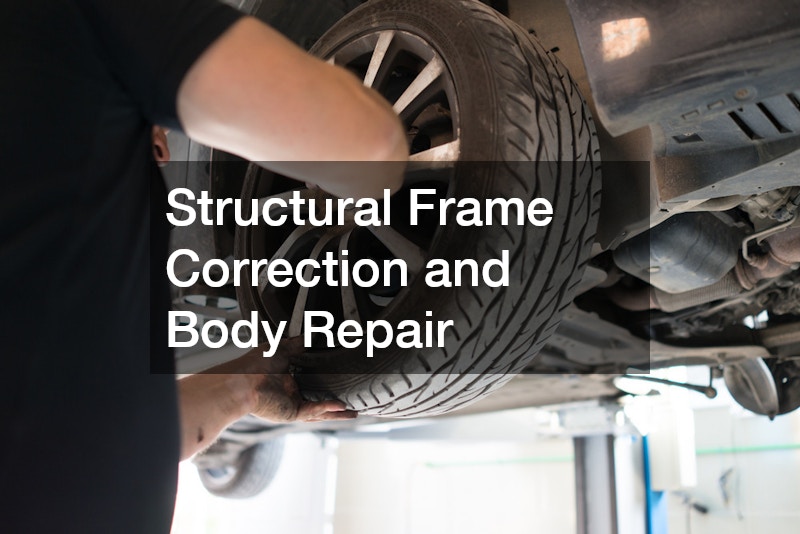
Impact forces often concentrate heavily on a vehicle’s wheels, tires, and suspension components. Even low-speed side impacts can bend rims, puncture sidewalls, or disrupt delicate wheel alignment. Driving on compromised tires or damaged suspension systems risks further mechanical destruction and compromises driver control. A thorough visual check around the wheel wells helps identify bent control arms, rubbing metal, or slow air leaks caused by compromised rim seals.
When a collision affects tire integrity or wheel placement, prompt mechanical intervention is necessary. Drivers should rely on qualified facilities for local tire repairs or structural wheel alignments to ensure the vehicle remains controllable on the road. Technicians can measure alignment angles using precision equipment to discover subtle frame shifts or suspension twists that might not be visible to the naked eye. Ignoring minor tire wobbles or alignment pulls can rapidly destroy tire treads, damage expensive wheel bearings, and put unnecessary stress on steering mechanisms. Restoring proper contact between the rubber and the pavement guarantees that the vehicle remains safe to operate while undergoing further structural evaluations. Prompt wheel service also provides documentation showing that mechanical issues were addressed immediately after the incident. Rechecking lug nut torque after repairs prevents potential wheel looseness down the line.
Diagnostic Evaluations of Engine and Mechanical Systems
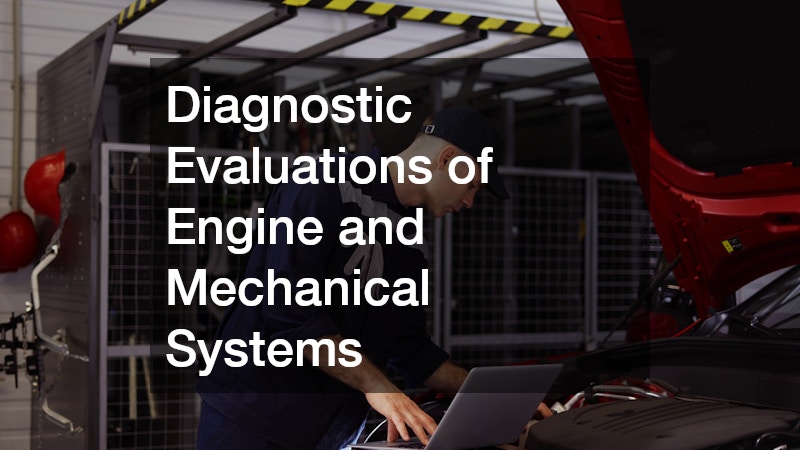
Collisions generate immense kinetic energy that travels deep into a vehicle’s mechanical core. Even when the outer body shell appears relatively intact, internal components often suffer severe impact damage. Radiators can crack, cooling lines may burst, and engine mounts can snap under sudden decelerations. Running an engine with hidden mechanical faults can quickly transform a manageable repair job into total engine failure.
A detailed inspection by a certified mechanic is necessary after any moderate impact. Modern automobiles rely on dense networks of sensors, wiring harnesses, and computer modules located directly behind bumper covers and fender panels. A professional car repair facility utilizes advanced diagnostic tools to scan the vehicle’s onboard computer system for hidden error codes. Mechanics inspect fluid levels, check exhaust systems for cracks, and evaluate braking components for structural integrity. Identifying hidden mechanical stress early prevents unexpected breakdowns weeks after the crash occurred. In addition, insurance adjusters require itemized mechanical estimates before approving compensation payouts, making an early workshop evaluation essential for building a strong and comprehensive claim. A thorough assessment ensures that all damaged components, from air intake pipes to suspension links, are fully documented for insurance review. Comprehensive diagnostic scans establish a clear paper trail for insurance adjusters.
Resolving Powertrain and Transmission Damage
Front-end collisions and heavy side impacts frequently shift the engine and transmission out of alignment. The delicate internal gears and hydraulic lines within a modern vehicle’s powertrain cannot tolerate even minor housing distortions. Drivers might notice delayed gear shifts, harsh slipping, unusual whining sounds, or fluid puddles underneath the vehicle following an accident.
Addressing these complex mechanical failures requires specialized technical expertise. Neglecting fluid leaks or internal gear stress can lead to catastrophic failure while driving at high speeds. Vehicles exhibiting shifting difficulties or fluid loss must be directed to specialists who perform complex transmission repairs using specialized diagnostic rigs. Technicians drain internal fluids to check for metal shavings, inspect internal torque converters, and re-align transmission mounts with exact factory specifications. Restoring the powertrain ensures that power moves smoothly from the engine to the drive wheels without risking further internal damage. Proper restoration of drivetrain components also preserves the long-term operational lifespan of the automobile, preventing secondary mechanical failures long after the accident report is closed. Ensuring that these complex internal systems operate flawlessly gives vehicle owners complete confidence when returning to daily commute routines. Checking fluid clarity ensures long-term transmission performance under heavy driving loads.
Structural Frame Correction and Body Repair
Cosmetic damage is often the most visible reminder of an auto accident. Crumpled fenders, creased doors, and shattered bumper covers destroy a vehicle’s visual appeal and compromise its structural integrity. Behind the outer metal skin lies the vehicle’s unibody structure, which is engineered to absorb impact energy during collisions. If this framework remains bent or twisted, the car cannot protect occupants effectively in future crashes.
Restoring structural integrity requires specialized heavy machinery and precision measurement systems. High-quality auto body repair centers utilize computerized frame-straightening racks that pull bent frame rails back to original manufacturer tolerances. Technicians replace unsalvageable body panels, realign door gaps, and apply anti-corrosion primers to exposed metal surfaces. They also recalibrate safety systems, including blind-spot sensors and parking radar mounted within bumper covers. Advanced color-matching technology ensures that new paint blends smoothly with existing factory finishes. Complete structural and cosmetic restoration returns the automobile to its pre-crash safety standards and visual condition, maintaining the vehicle’s long-term resale value while ensuring occupant safety for years to come. Vehicle owners should always insist on certified technicians who follow strict manufacturer repair standards. Requesting a written structural warranty offers added security and peace of mind.
Final Cleaning, Aesthetics, and Protective Finishes
After heavy structural and mechanical work is concluded, a vehicle requires thorough detailing to remove shop dust, metal filings, and glass fragments. Fine glass dust can collect inside air vents and upholstery seams, posing health risks to passengers if left uncleaned. Professional detailing cleans every interior surface, vacuuming hidden spaces and sanitizing touchpoints.
The exterior requires equal care to eliminate industrial fallout and restore surface shine. Sending the newly repaired vehicle through a comprehensive car wash service removes sanding dust, compound residues, and road grime accumulated during transport between repair facilities. Once the underlying paint is spotless, owners who previously customized their vehicles or used them for business purposes may need to replace damaged commercial graphics or protective films. Specialty shops apply custom vehicle wraps to match remaining panels, restoring original branding or personalized aesthetic treatments perfectly. Protecting the fresh finish with quality sealants ensures that the restored exterior withstands UV rays, road salt, and harsh environmental elements long after leaving the body shop floor. This meticulous attention to detail ensures that the vehicle looks, smells, and feels brand new upon final collection. Allowing fresh paint to cure fully prevents minor surface scratches during daily use.
Evaluating Repair Estimates Versus Vehicle Replacement
Sometimes the financial cost of repairing structural, mechanical, and cosmetic damage exceeds the actual cash value of the vehicle. Insurance companies evaluate total loss thresholds using specific formulas mandated by state regulations. When estimated repair bills reach roughly seventy to eighty percent of the car’s pre-accident value, insurance adjusters typically declare the vehicle a total loss.
Receiving a total loss declaration forces owners to make critical financial decisions. Rather than investing funds into repairing a severely compromised vehicle, owners must evaluate replacement alternatives. Navigating local car sales markets allows individuals to purchase a safe, reliable vehicle using insurance payout funds. Vehicle owners should research current market values for similar years, makes, models, and mileage to ensure the insurance settlement offer reflects true market conditions. Negotiating a fair total loss payout requires providing proof of recent maintenance, upgraded equipment, and overall pre-crash vehicle condition. Making informed decisions during this stage prevents long-term financial loss and helps transition the driver smoothly into a safe replacement vehicle that fits their daily budget. Understanding market trends empowers consumers to secure the best value when selecting their next automobile. Gathering active local listings strengthens your position during settlement disputes.
Finalizing Insurance Claims and Securing Settlement
The final stage of the post-collision roadmap involves settling all financial and legal obligations resulting from the crash. Before signing a final settlement release form, vehicle owners must confirm that all mechanical and cosmetic repairs are completed to high standards. Once a liability waiver is signed, insurance companies will not cover additional hidden damage discovered later.
Drivers should review every medical bill, repair invoice, rental car receipt, and lost wage document with painstaking accuracy. If disagreements arise regarding vehicle valuation, repair quality, or personal injury coverage, consulting a knowledgeable car accident attorney provides critical leverage during final settlement negotiations. Legal professionals understand how to counter low insurance settlement offers and can demand fair compensation for pain and suffering. Once all parties agree on financial compensation, payments are distributed to repair facilities, medical providers, and the vehicle owner. Successfully navigating this complex roadmap transforms a chaotic accident into a fully resolved claim, allowing drivers to move forward with complete peace of mind, financial recovery, and safe transportation. Taking time to review every document carefully ensures that no unpaid bills or unresolved repair issues remain after closing. Archiving physical settlement documents protects against potential future billing disputes.
About the Author