The moment you hear metal crunch or spot fresh water pooling under your engine, a clock starts ticking that most drivers don’t even know exists. What you do in the first 48 hours after any vehicle damage, mechanical failure, or accident can mean the difference between a manageable bill and a financial headache that follows you for months. Insurance adjusters, repair shops, and even the vehicle itself respond to how quickly you act.
This guide walks you through exactly what to prioritize in that critical window so you protect both your car and your wallet.
Document Everything Before You Move the Vehicle
The instinct after a collision is to clear the road as fast as possible, but slowing down for five extra minutes to document the scene can save you thousands later. Photos of every angle, including tire position, fluid leaks, and surrounding traffic signs, give both your insurer and a future auto body shop the evidence they need to justify repair costs. Without this documentation, estimators are left guessing about pre-existing damage versus new damage, which often works against the driver rather than for them.
Written notes matter too, not just pictures. Jot down the time, weather conditions, and any witness contact information while it’s still fresh, because memory fades fast under stress.
- Take at least 15-20 photos from different distances and angles
- Note the exact time and location using your phone’s GPS stamp
- Record contact details for any witnesses on the scene
- Capture close-ups of license plates and vehicle identification numbers involved
- Save a copy of the police report number if one is filed
Get an Initial Damage Assessment Within a Day
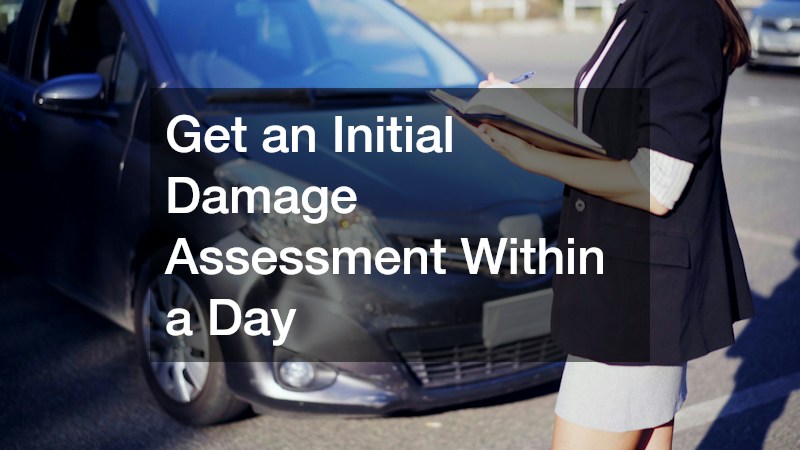
Waiting a week to get your car looked at gives hidden damage time to worsen, especially with structural or suspension issues that aren’t visible from the outside. A bent frame rail or a small radiator leak can quietly turn into a much bigger repair if the car keeps being driven in that condition. A same-day or next-day inspection at a qualified auto repair facility establishes a baseline that protects you if problems surface later.
This initial assessment doesn’t need to be the final, detailed estimate — it just needs to document the vehicle’s condition close to the time of the incident. That timestamp matters if an insurance adjuster later questions whether damage was pre-existing or unrelated to the event in question. Photos, written notes, and a technician’s signature on an early report can carry real weight during a claims dispute.
Shops that specialize in collision repair are trained to spot frame misalignment and hidden fluid leaks that an untrained eye would miss entirely. They’ll often check suspension geometry, look for cracked mounts behind bumpers and fenders, and scan onboard computer systems for fault codes that indicate airbag or sensor damage. Catching these issues within the first 24 to 48 hours can mean the difference between a straightforward repair and a much costlier one down the road.
This early assessment also speeds up the insurance claims process significantly. Adjusters move faster when they receive a professional estimate quickly, and delays on your end often translate into delays on theirs. Most insurers work through a queue, and a claim with documentation already attached simply gets prioritized over one that’s still missing basic information.
Getting this assessment within 24 hours also gives you a written estimate while damage details are fresh and undisputed. Photos taken immediately after the incident, paired with a shop’s initial evaluation, create a timestamp that’s hard for anyone to challenge later. If a dispute arises over whether certain damage was pre-existing, this early paper trail becomes your strongest evidence.
There’s also a practical cost angle: many shops offer free initial estimates within this window specifically to secure the repair job before a customer shops around. Waiting even a few days can mean losing access to that free assessment, or facing a diagnostic fee instead. A same-day or next-day inspection typically takes 30 to 60 minutes and covers structural damage, hidden frame issues, and mechanical concerns that aren’t visible from the outside.
Understand How Insurance Timelines Affect Your Payout
Most insurance policies contain language requiring “prompt notice” of an incident, and some claims have been reduced or denied outright simply because the policyholder waited too long to report. There’s no universal legal deadline that applies to every policy, but many insurers interpret anything beyond a few days as unreasonable delay, and some contracts specify a window as short as 24 to 72 hours for certain claim types. Filing within the first 48 hours shows good faith and gives the insurer no room to argue that your delay caused or worsened the damage.
This matters because adjusters are trained to look for gaps between the incident date and the report date, and any gap becomes a potential reason to dispute the payout. A delay of even a few days can shift the conversation from “how much do we owe you” to “did the policyholder’s inaction contribute to this loss?” That shift in framing can cost you hundreds or even thousands of dollars in reduced coverage.
This is especially true for weather-related incidents, where flooding or hail damage can worsen by the hour if left unaddressed. A cracked windshield from hail can spread into a full replacement if the car sits exposed to temperature swings for several more days. Similarly, floodwater left untreated can seep further into upholstery, wiring, and the undercarriage, giving the insurer grounds to argue that part of the damage was preventable and therefore not their responsibility.
It’s also worth understanding that adjusters often use the initial report to set expectations for the entire claim. A fast, detailed report tends to result in a smoother approval process and fewer requests for additional documentation down the line.
Timing matters just as much as content. Most insurers open a claim file within hours of your call, and whatever information exists at that point becomes the baseline against which every later detail gets measured. If you report vague damage on day one and photograph a cracked frame on day three, the adjuster may flag the discrepancy and ask for a supplemental inspection before approving additional repairs.
The first 48 hours also shape how your claim gets categorized internally. A claim marked “straightforward” based on early evidence typically moves through automated approval workflows, while one flagged as “needs review” gets routed to a senior adjuster—adding days or even weeks to the timeline. Photos, a written damage description, and a repair shop estimate submitted early can be the difference between the two paths.
Finally, keep in mind that some policies include specific reporting windows, often 24 to 72 hours for certain claim types. Missing that window doesn’t always void coverage, but it can shift the burden of proof onto you, requiring more documentation to justify charges the adjuster would otherwise have accepted at face value.
Address Diesel and Heavy Engine Damage Immediately
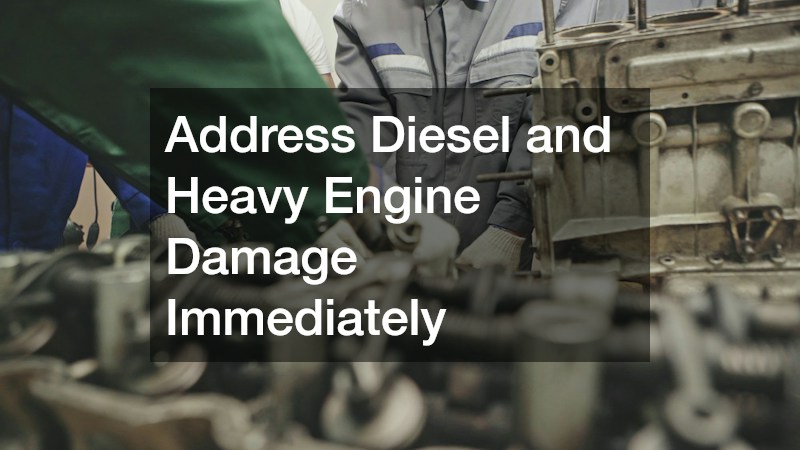
Diesel engines respond differently to sudden impacts or flooding than standard gasoline engines, and delaying inspection can turn a simple fix into a costly overhaul. Water intrusion into a diesel fuel system, for example, can cause internal corrosion within days if not flushed properly. Anyone driving a diesel truck or SUV involved in an accident or flood event should seek diesel repair services as soon as possible rather than waiting to see if symptoms appear.
The urgency is even greater for commercial or heavy-duty vehicles that log significant highway miles. A missed 48-hour window on a diesel engine issue often means replacing components that could have simply been serviced.
Know When Your Vehicle Needs Professional Towing
Not every damaged vehicle is safe to drive, even if it starts and the wheels turn. Bent frames, leaking brake lines, or compromised steering can turn a short drive to the shop into a dangerous situation. If you own a larger vehicle, arranging RV towing promptly after an incident prevents further undercarriage damage that can occur from driving on an already compromised chassis.
Towing decisions also affect your insurance claim. Many policies cover towing costs only if arranged within a specific timeframe after the incident, so checking your policy details before assuming you’ll pay out of pocket is worth the extra few minutes.
- Check for fluid leaks pooling under the vehicle before starting the engine
- Listen for grinding or scraping sounds when shifting into gear
- Avoid driving if the steering wheel pulls hard to one side
- Confirm your policy’s towing coverage window before hiring a service
- Ask the tow operator about flatbed options for lowered or larger vehicles
Choose a Shop That Matches Your Vehicle’s Brand and Needs

Not all repair facilities are equipped to handle every make and model, and choosing the wrong one can lead to delays or subpar parts matching. Owners of specific brands often benefit from seeking out Ford collision repair specialists who have direct access to manufacturer parts and factory repair procedures. This matters most for vehicles with advanced safety systems, where sensors and cameras must be recalibrated using brand-specific software.
Asking about certifications before committing to a shop saves headaches later. A facility with proper brand training will typically complete repairs faster because they’re not waiting on guesswork or aftermarket substitutes.
Watch for Hidden Structural and Cosmetic Damage
Some of the most expensive repairs are the ones you can’t see immediately after an incident. Micro-fractures in the frame, misaligned doors, or paint that hides a dented panel often surface days later once adrenaline wears off and you look more closely. A thorough auto body inspection within the first two days catches these issues while they’re still eligible for coverage under most claims.
Cosmetic damage left unaddressed can also lead to rust formation, particularly in regions with harsh winters or coastal humidity. Small scratches that expose bare metal should be treated quickly, since rust spreads far faster than most people expect.
Handle Interior Contamination and Odor Issues Early
Flooding, smoke exposure, or even a spilled beverage during a chaotic moment can leave lingering problems long after the visible damage is fixed. Odors trapped in upholstery and carpet padding tend to intensify with heat and humidity, making early car odor removal far more effective than waiting weeks. Mold spores in particular begin colonizing damp fabric within 24 to 48 hours, which is why speed matters here just as much as it does with mechanical repairs.
Beyond health concerns, lingering odors significantly reduce resale value if you plan to sell or trade in the vehicle later. Addressing it early with prompt car odor removal keeps the cabin sanitary and preserves the interior materials, rather than letting the problem compound into a bigger, costlier cleanup down the road.
Protect Your Vehicle’s Appearance During the Repair Process
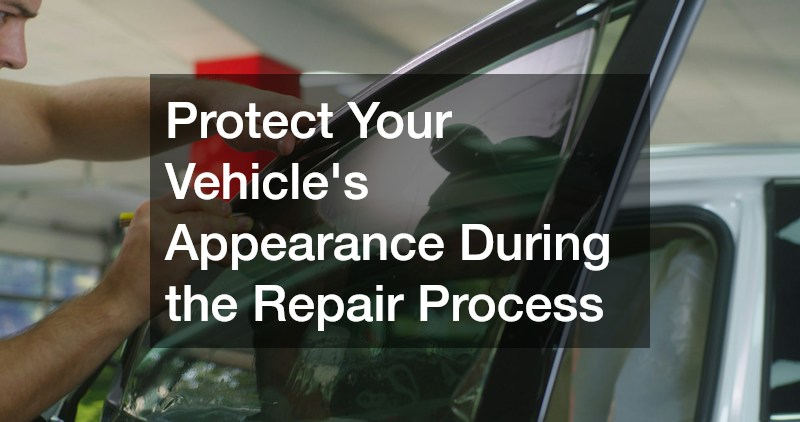
While mechanical and structural repairs take priority, this window is also a practical time to think about protective upgrades that prevent future problems. Many owners choose to schedule car tinting during the same visit as bodywork, since the vehicle is already at the shop and out of daily use. This reduces UV damage to interior surfaces and can help mask minor cosmetic imperfections while everything else is being addressed.
Coordinating these smaller upgrades with your larger repair timeline is simply more efficient. It avoids multiple drop-offs and lets you drive away with everything handled at once rather than returning weeks later for a separate appointment.
Keep Larger Fleet and Commercial Vehicles Moving Quickly
For business owners, downtime is the most expensive part of any vehicle incident. Commercial fleets depending on regular routes can’t afford to wait weeks for repairs, which is why prompt truck repair scheduling within the first 48 hours keeps operations from grinding to a halt. Delayed repairs on commercial vehicles often trigger cascading costs, including missed deliveries and contractual penalties.
Fleet managers who build a rapid-response relationship with a trusted repair provider tend to weather these incidents with far less disruption. Having a plan in place before an incident happens, rather than scrambling afterward, is what separates a minor delay from a major operational setback.
Conclusion
The first 48 hours after any vehicle damage set the tone for everything that follows, from your insurance payout to the final repair bill. Acting quickly on documentation, professional assessment, and the right specialized services protects both your vehicle and your finances. Don’t let uncertainty or procrastination turn a manageable repair into a costly ordeal. Reach out to a trusted local shop today and get the clock working in your favor instead of against you.
About the Author