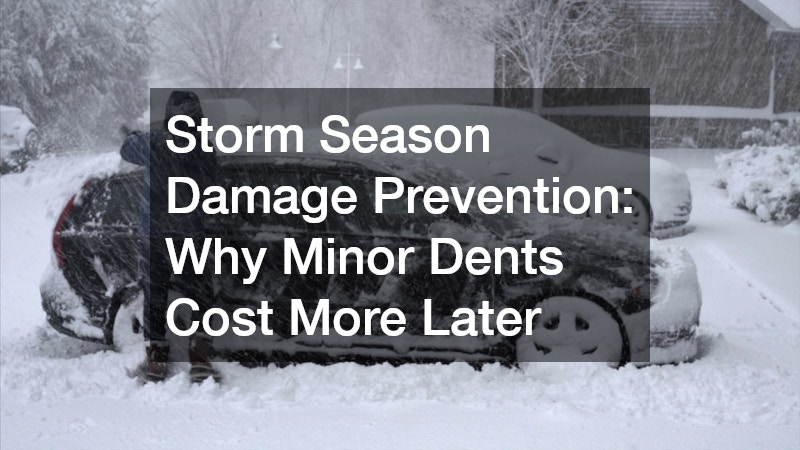
A single hailstorm can leave dozens of small dents across a vehicle’s hood, roof, and trunk in a matter of minutes. Many owners glance at the damage, decide it looks minor, and put off dealing with it until “later.” That delay, however, often turns a simple fix into a costly repair involving rust, paint failure, or diminished resale value.
Understanding how minor storm damage actually behaves over time can help you make a smarter decision before the next system rolls through.
How Small Dents Turn Into Bigger Repair Bills
A small dent might seem purely cosmetic, but it often stretches and weakens the metal underneath the paint surface. Once that protective layer is compromised, moisture can seep into the microscopic cracks, setting the stage for corrosion that spreads outward from the original impact point. What starts as a quarter-sized dimple can become a rust patch that requires cutting out and replacing sheet metal.
Insurance adjusters and body shop estimators both confirm that repair costs rise the longer damage sits untreated. A dent that could have been corrected in under an hour with paintless dent removal might later require sanding, filling, priming, and repainting once rust sets in. Waiting doesn’t just risk higher costs; it also risks the job requiring more invasive auto body collision repair work than would have otherwise been necessary.
Why Hail Storms Create Hidden Vulnerabilities
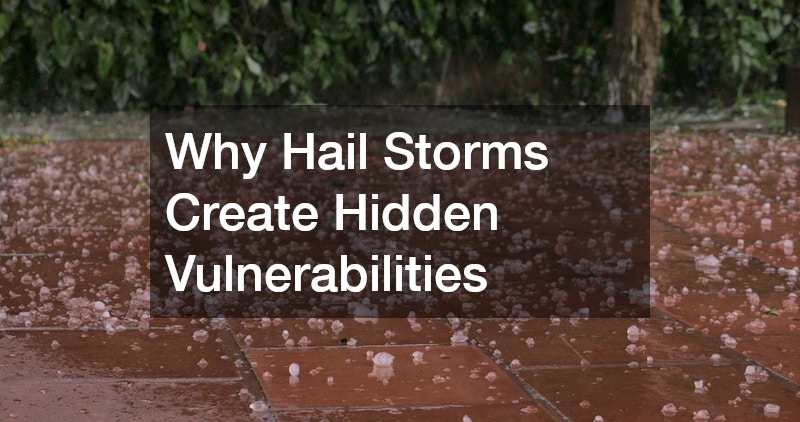
Hailstones vary wildly in size, density, and speed depending on the storm, which means a single event can leave a mix of shallow dings and deeper impact points across the same panel. Some of this hail damage is obvious immediately, but smaller impacts on the roof or hood edges can be nearly invisible until sunlight hits the panel at a certain angle. Because these lighter marks are easy to miss, they often get ignored entirely.
The danger with overlooked hail marks is that they frequently sit in areas where water naturally pools, such as along seams or near the base of the windshield. Over weeks and months, that trapped moisture accelerates corrosion in spots that are already hard to inspect. A thorough post-storm check, ideally within days of the weather event, catches these hidden trouble spots before they become structural concerns.
The Role of Paint Integrity After an Impact
Paint is not just cosmetic; it is the primary barrier protecting your vehicle’s metal panels from moisture, road salt, and UV exposure. Most factory finishes are only a few mils thick, layered as primer, base coat, and clear coat, which means there’s very little material to spare when a panel deforms.
Every dent stretches that paint layer, and stretched paint is far more likely to crack or flake even if no chip is visible right away. Hail strikes and hard impacts often create micro-fractures in the clear coat that aren’t visible in normal lighting but show up clearly under a flashlight held at an angle. These hairline cracks tend to worsen with temperature swings, since the metal beneath expands and contracts faster than the paint can flex.
Once a crack forms, air and water have a direct path to bare metal. From there, corrosion can begin in as little as a few weeks, especially in regions where road salt or coastal humidity accelerates the process. Left unaddressed, that hidden rust spreads beneath the paint and often surfaces months later as bubbling or discoloration far larger than the original dent.
Vehicles with vinyl coverings face a slightly different set of concerns after storm impacts. Owners who have invested in vehicle wraps, sometimes called car wraps, for branding or aesthetic reasons should know that hail and debris impacts can lift edges, crack the vinyl, or puncture the material outright, allowing moisture to work its way underneath. Even a small tear near a seam can be enough for rainwater to seep in during the next storm.
Because vehicle wraps sit directly against the factory paint, any trapped moisture beneath a damaged wrap can cause the same corrosion problems as damaged paint, just hidden from view until the covering is removed and inspected. This is what makes wrap damage particularly deceptive: the vinyl can look mostly intact from a few feet away while concealing rust forming underneath. By the time discoloration or bubbling becomes visible through the wrap, the metal beneath may already be pitted.
Fleet owners and businesses that rely on car wrap services for advertising should factor storm inspections into their maintenance routine, since a single hailstorm can affect dozens of vehicles at once. Checking wrap edges around mirrors, door handles, and wheel wells after severe weather is a simple way to catch lifted or punctured sections before moisture has time to settle in. Left unaddressed for even a few weeks, that trapped moisture can turn a low-cost vinyl repair into a full repaint job.
What Paintless Dent Removal Can and Cannot Fix
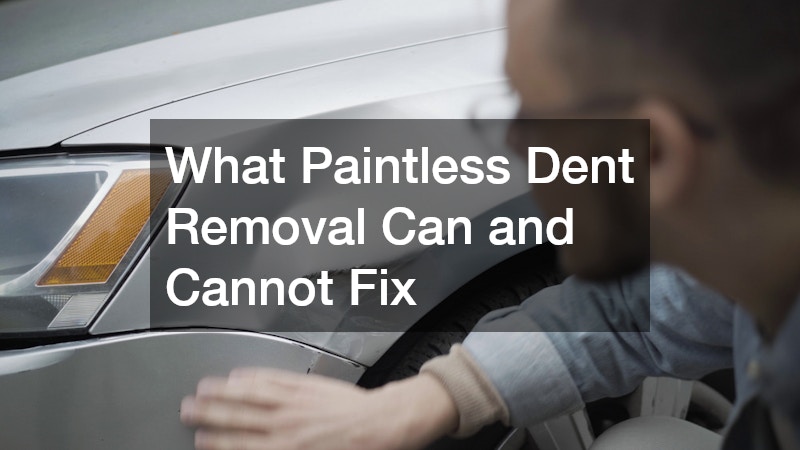
This repair method is often the fastest and least expensive way to correct hail dents and minor door dings, provided the paint surface itself is not cracked or chipped. Technicians access the back of the panel and gently massage the metal back into its original shape, preserving the factory finish entirely. This approach works especially well on aluminum and steel panels with shallow, rounded dents.
That said, this method has limits, and understanding them helps set realistic expectations before you schedule a repair.
- Dents with cracked or chipped paint usually require traditional filling and repainting instead
- Sharp creases or dents near panel edges are harder to correct with this method
- Extremely deep impacts that stretch the metal significantly may leave a slight remaining imperfection
- Panels with prior repair work or filler may not respond as predictably to this technique
Warning Signs That Storm Damage Is Getting Worse
Dents rarely stay exactly the same over time, especially once temperature swings and moisture get involved. Watching for a few specific changes can tell you whether a dent that seemed harmless in spring is quietly becoming a bigger problem by fall.
Bubbling or blistering paint around the edges of a dent is one of the clearest red flags. This usually means moisture has worked its way beneath the clear coat, and rust is starting to form even if you can’t see it yet.
Pay attention to any dent that seems to be growing in size or depth, or one where the surrounding paint has developed a slightly different texture. A dent that once felt smooth might start to feel gritty or rough to the touch as corrosion eats into the metal underneath.
Small cracks radiating outward from the point of impact are another sign that stress on the panel is spreading rather than staying contained. Left unaddressed, these hairline cracks can widen with every hot afternoon and cold night, since metal expands and contracts roughly 0.0000065 inches per inch for every degree Fahrenheit of temperature change.
Discoloration is worth checking too — a brownish or orange tint peeking through a chip in the paint almost always signals rust has already taken hold. If you notice any of these changes, it’s a strong indicator that what started as cosmetic damage is turning into a structural and financial problem.
- Small bubbles or blisters forming under the paint near the dent, a sign moisture has already worked its way beneath the surface
- A rough or gritty texture developing inside the dent, often the first hint that corrosion has started underneath the finish
- Rust-colored specks appearing at the edges of the impact, usually spreading within weeks if left untreated
- Paint that looks duller or slightly discolored compared to surrounding panels, indicating the protective clear coat has been compromised
- New cracks radiating outward from the original dent site, which let water and road salt penetrate even faster
- A musty or metallic smell near the damaged area, sometimes noticeable when the car sits in a closed garage
- Flaking or peeling paint chips around the perimeter of the dent, exposing bare metal to the elements
Choosing Between Quick Fixes and Full Restoration
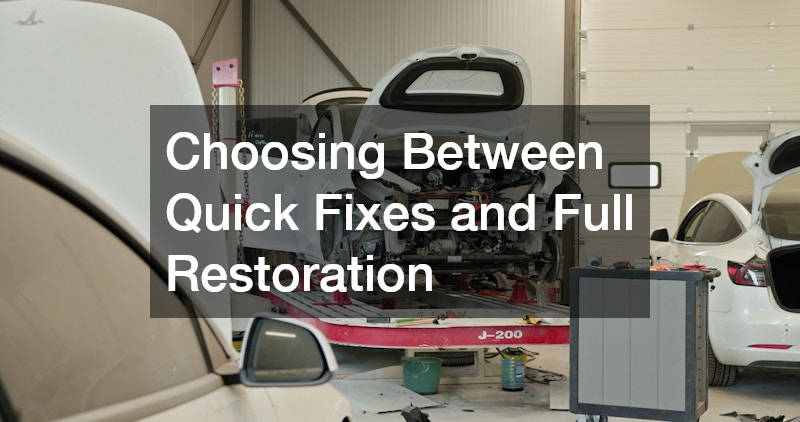
Not every piece of storm damage requires the same level of intervention, and matching the repair method to the actual damage saves both time and money. Shallow, paint-intact dents are typically excellent candidates for the fast, non-invasive approach, while more serious damage with broken paint usually calls for more traditional bodywork. Getting an honest assessment upfront prevents both overpaying for simple fixes and underpaying for damage that needs real attention.
A reputable auto body shop will walk you through these options rather than pushing the most expensive route by default. Ask for a panel-by-panel breakdown so you understand exactly which areas need which type of correction, and don’t hesitate to ask how their auto collision repair process differs for cosmetic dents versus structural damage. This transparency also makes it easier to compare quotes if you decide to get a second opinion.
How Insurance Timelines Affect Your Repair Options
Most insurance policies place a window on how long you have to file a claim after a storm event, and that window is shorter than many owners assume. Some insurers require notice within 30 days of the storm, while others allow up to a year, so it’s worth pulling out your policy and checking the exact language rather than guessing. Filing late can mean reduced coverage or outright denial, especially if an adjuster suspects the damage worsened due to neglect rather than the storm itself.
This is where timing quietly works against you. A dent that would have cost $150 to fix right after the storm can spread into rust or cracked paint within weeks, and if you wait too long to file, the adjuster may argue that secondary damage isn’t storm-related at all. Insurers keep records of regional storm dates, so a claim filed months after a well-documented hail event without a clear explanation can raise red flags.
Photographing the damage immediately, even before you decide on a repair path, protects your claim regardless of when you schedule the actual work. Take wide shots of the whole vehicle plus close-ups of each dent, and if possible, capture a timestamp or a local news reference confirming the storm date. Keep a simple log noting when you first noticed each mark, since insurers sometimes ask for this timeline directly.
Even if you can’t get repairs scheduled right away due to a backlog of storm claims in your area, filing the claim itself as soon as possible preserves your options. You can typically get an estimate on file and negotiate the repair timeline separately, which keeps you inside the coverage window without rushing into a shop that’s overbooked or underqualified.
Timing also affects your choice of repair shop, since high-demand storm seasons can create long wait lists at popular locations. After a major hailstorm, reputable body shops in the affected area can book up four to eight weeks out, and some insurers only maintain relationships with a limited network of certified repair centers.
Booking an inspection early, even if the full repair happens later, secures your place in line and gives you a documented record of the damage’s original condition. This documentation matters more than most drivers realize: adjusters sometimes dispute whether certain dents were storm-related or pre-existing, and a timestamped inspection report with photos removes that ambiguity.
It’s also worth asking the shop whether they’ll honor your quoted price if the repair date slips due to scheduling backlogs. Some shops lock in pricing at the time of inspection, while others reassess costs closer to the actual repair, which can matter if parts prices shift during a busy season.
What to Look for in a Qualified Repair Provider

Not all repair shops have the same equipment, training, or track record with storm-related damage, so a little research goes a long way. The best collision repair providers are typically transparent about their certifications, use manufacturer-approved materials, and offer written estimates before any work begins. A shop that specializes in both minor cosmetic corrections and larger structural work gives you flexibility if the damage turns out to be more extensive than expected.
It also helps to ask how a shop handles less common situations, since storm damage doesn’t always fit neatly into a single category.
- Do they offer car collision repair services in-house or subcontract certain tasks?
- Can they provide references or reviews from previous storm-damage customers?
- Do they offer a warranty on paint matching and panel work?
- Are they experienced with both paintless dent correction and panel replacement methods?
- Will they document damage thoroughly enough to support an insurance claim?
Storm damage rarely announces itself as urgent, which is exactly why so many small dents turn into expensive repairs down the road. Taking photos, scheduling a prompt inspection, and understanding your repair options now puts you in control before the next storm season arrives. A little attention today, whether that means booking a paintless correction or simply getting a professional opinion, can save you significant money and stress later.
About the Author