The moments immediately following a vehicular collision or a sudden mechanical failure are often characterized by intense panic, confusion, and a surge of adrenaline. The abrupt transition from a routine commute to a roadside emergency can leave even the most experienced drivers feeling disoriented and unsure of what to do next. When the dust settles and the initial shock wears off, a barrage of critical decisions must be made in a very short window of time. Making the wrong call—or failing to make the right one—can compound the stress of the situation, leading to increased physical danger, financial loss, or complicated legal battles down the road.
Having a pre-planned, systematic approach to a vehicle incident is not just about convenience; it is a fundamental aspect of responsible driving. Knowing exactly who to contact, when their expertise is required, and how to manage the logistical aftermath can dramatically alter the trajectory of your recovery process. This comprehensive guide is designed to serve as your definitive roadmap through the chaos. By breaking down the chronological steps of incident management, we will explore how to prioritize your immediate safety, secure your vehicle, navigate mechanical assessments, and protect your long-term legal and financial interests.
Prioritize Safety and Medical Needs First
The absolute first priority in the aftermath of any vehicular incident is the preservation of human life and the prevention of further harm. Before you even think about the condition of your vehicle or who might be at fault, you must systematically assess the physical well-being of everyone involved and the environmental hazards present at the scene. Your first phone calls and actions in these initial five minutes will set the tone for the entire recovery process.
Your body’s natural fight-or-flight response will flood your system with adrenaline, which can dangerously mask the symptoms of severe trauma. Even if you feel perfectly fine, it is crucial to perform a deliberate self-assessment before attempting to move.
-
Take a deep breath and check yourself: Wiggle your fingers and toes, check your vision, and gently feel for any localized pain or bleeding.
-
Assess your passengers: Ask them if they are in pain and instruct them not to move if they suspect any spinal or neck trauma.
-
Evaluate the environment: Look for immediate, life-threatening hazards such as leaking fuel, smoke, fire, or the risk of your vehicle being struck by oncoming traffic.
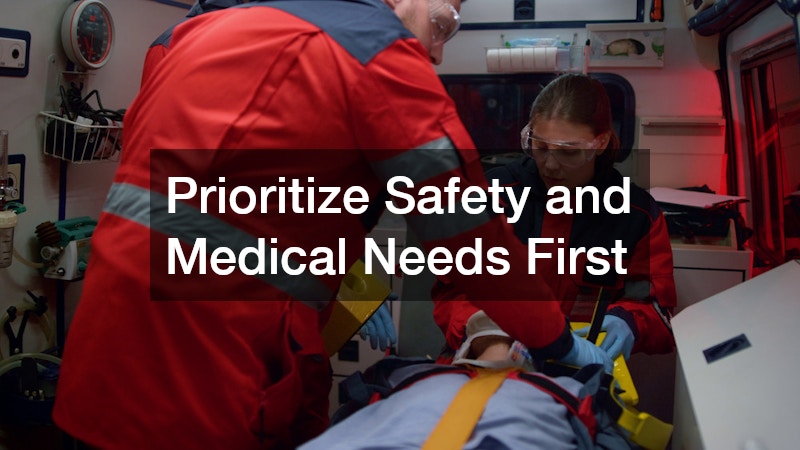
If there is any indication of trauma, no matter how minor it may initially seem, your immediate action must be to dial 911 or your local emergency number. When speaking to the dispatcher, be clear, concise, and state your exact location using mile markers, cross streets, or prominent landmarks. Mentioning the possibility of auto accident injuries is vital so the dispatcher knows to send paramedics alongside law enforcement. Never decline medical evaluation at the scene; paramedics are trained to identify hidden traumas like concussions or internal bleeding that you might overlook.
Once medical needs are addressed, or if the incident is a minor breakdown with no injuries, you must establish a safe perimeter. If the vehicle is immobile but in a hazardous location, turn on your hazard lights immediately. If it is safe to exit the vehicle, deploy reflective warning triangles or flares well behind your vehicle to give oncoming drivers ample time to react and change lanes.
Clear the Roadway and Secure the Perimeter
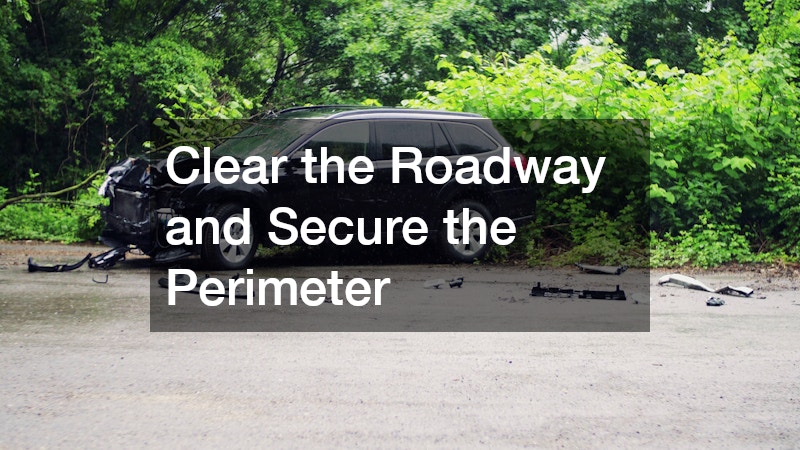
Once immediate medical concerns are handled and emergency services have been notified, your focus must shift to mitigating secondary risks. A stationary vehicle in an active lane of traffic is a severe hazard, not just to you, but to every other driver on the road. Secondary collisions often result in more severe damage than the initial incident.
First, determine if your vehicle is capable of moving under its own power. If you have been involved in a minor fender bender or are experiencing a drivability issue that has not compromised the steering, braking, or suspension systems, carefully maneuver the vehicle to the right shoulder or a nearby parking lot.
If the engine has simply died, you need to assess the root cause before taking action.
-
Electrical failures: If your dashboard lights are dim, you hear a clicking sound when trying to turn the ignition, and you are in a safe, off-road location, you might just be dealing with a dead battery. In this specific scenario, contacting a reliable auto jump start service can quickly resolve the issue and get you back on the road without the need for extensive transport.
-
Mechanical or structural failures: If the vehicle has suffered impact damage, is leaking vital fluids (coolant, oil, brake fluid), has deployed airbags, or has a compromised wheel, do not attempt to drive it. Doing so can cause catastrophic engine failure or lead to a loss of control.
When the vehicle is completely immobilized, your next call must be to a professional transport company. It is highly recommended to have the contact information for a reputable 24 hour towing service saved in your phone long before you ever need it. When calling for transport, specify the make and model of your vehicle, its drivetrain (e.g., all-wheel drive requires a flatbed truck to prevent transmission damage), and your precise location. Instruct the driver to transport the vehicle to a certified mechanic or a secure collision center, rather than your residential driveway, to expedite the evaluation process.
Secure Trustworthy Mechanical Assessments
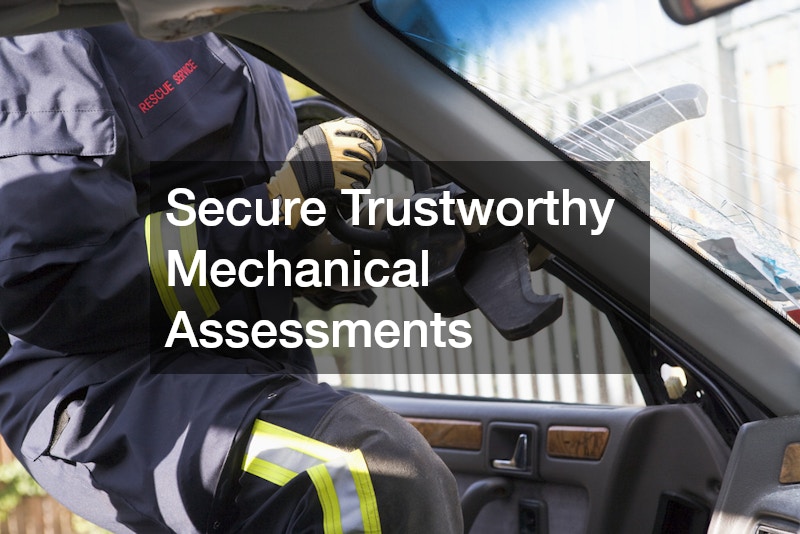
After the vehicle has been safely removed from the roadway, the next critical phase is determining the full extent of the damage. A car may look relatively unscathed on the exterior while harboring severe structural or mechanical defects beneath the surface. Navigating the repair process requires patience, due diligence, and partnering with certified professionals who can accurately diagnose the vehicle.
If your vehicle was towed, ensure it is dropped off at a reputable facility. Dealerships are excellent for specialized, brand-specific knowledge and proprietary parts, while highly-rated independent garages can often offer more competitive labor rates.
Your first priority at the shop is to request a comprehensive diagnostic evaluation.
-
Computer diagnostics: Modern vehicles are rolling computers. A mechanic will connect an OBD-II scanner to read any fault codes triggered during the incident.
-
Under-the-hood inspection: Belts, hoses, engine mounts, and fluid reservoirs must be meticulously checked for stress fractures or leaks.
-
Undercarriage and alignment: A routine auto service check is necessary to ensure the suspension components and frame remain perfectly aligned. Even a low-speed impact can throw off a vehicle’s geometry, leading to uneven tire wear and dangerous handling issues.
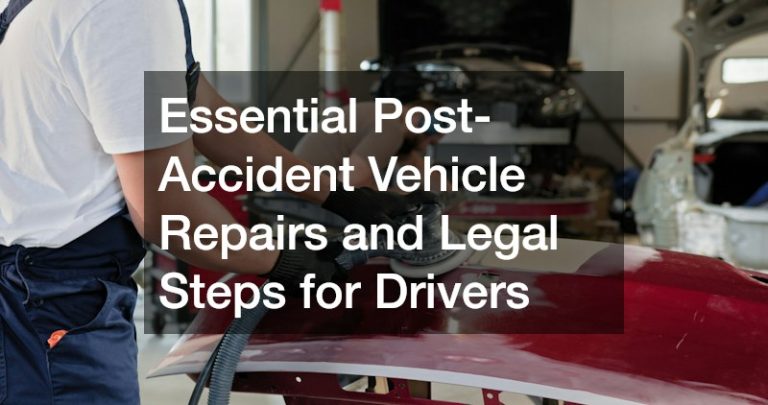
Do not authorize any major work until you have received a detailed, itemized estimate in writing. This document should break down the cost of parts, labor hours, and shop fees. It is entirely acceptable, and often recommended, to seek a second opinion if the initial quote seems exorbitant. When dealing with collision damage, thorough auto repairs are non-negotiable for your future safety. The structural integrity of the vehicle’s crumple zones must be restored to factory specifications to protect you in the event of a future incident. Communicate clearly with the lead technician, ask questions about the necessity of specific procedures, and ensure they are using high-quality OEM (Original Equipment Manufacturer) or certified aftermarket parts.
Address Shattered or Chipped Windows Promptly

During a collision, or even a simple incident involving road debris, a vehicle’s glass components are highly vulnerable. Dealing with compromised windows is not merely a matter of aesthetics; it is a critical safety issue that requires immediate attention from specialized technicians.
Automotive glass is fundamentally different from the glass used in homes. Windshields are made of laminated glass, designed to stay intact upon impact to prevent shards from flying into the cabin and to provide structural support to the vehicle’s roof in the event of a rollover. Side and rear windows are typically tempered glass, engineered to shatter into small, blunt pieces to prevent severe lacerations.
If your vehicle has sustained window damage, your first step is containment.
-
Clear the debris: Carefully remove loose glass from the seats and floorboards using heavy-duty gloves and a shop vacuum.
-
Seal the cabin: If you must wait for professional help, temporarily seal the broken window with high-density crash wrap or heavy plastic sheeting and automotive tape to protect the interior from rain, wind, and potential theft. Do not drive a vehicle with severely obstructed vision.
You must contact a specialist for auto glass repairs as soon as possible. If the damage is limited to a small chip or a crack smaller than a dollar bill on the windshield, a technician can often inject a specialized resin to bond the glass back together, preventing the crack from spreading. However, if the crack is directly in the driver’s line of sight, reaches the edge of the windshield, or if a tempered side window is completely shattered, full replacement is the only safe option.
When replacing side windows, you must also consider the vehicle’s prior modifications. If your vehicle originally featured custom car window tinting, a standard replacement glass will look mismatched and leave the interior exposed to harsh sunlight. You will need to coordinate with the glass technician to ensure the replacement plan accounts for the eventual restoration of these cosmetic and protective features.
Restore Privacy and UV Protection Standards

Once the heavy lifting of mechanical restoration and structural glass replacement is complete, the final steps of vehicle recovery involve returning the car to its pre-incident condition. For many drivers, this means addressing the specialized films and coatings that provide comfort, privacy, and protection from the elements.
Factory-installed glass often comes with a slight, built-in tint, but many vehicle owners choose to apply aftermarket films for enhanced benefits. These films block harmful ultraviolet rays that can degrade interior upholstery and cause skin damage during long commutes. They also significantly reduce interior cabin temperatures and glare, contributing to a safer and more comfortable driving experience.
If a window was replaced, the new glass will be completely bare.
-
Curing time: You cannot immediately apply new films to a freshly installed windshield or window. You must wait for the glass adhesives and weather seals to fully cure, which typically takes a few days to a week depending on the climate and the materials used.
-
Matching the grade: When you are ready, contact a specialized shop to apply the appropriate auto glass tint. It is crucial to inform the technician of the exact shade and material (e.g., dyed, metallized, ceramic) used on the rest of the vehicle so they can seamlessly match the new window to the existing aesthetic.
Taking the time to complete this final step ensures your vehicle not only drives safely but retains the comfort and privacy standards you expect.
Document Evidence and Seek Legal Counsel
The physical recovery of your vehicle is only one half of the post-incident equation. If the breakdown or collision was the result of another party’s negligence, navigating the financial and legal aftermath is equally critical. Insurance companies, despite their marketing, are businesses focused on minimizing their payouts. Protecting your rights requires diligent documentation and, often, professional advocacy.
Treat the scene of the incident as an investigation site. If it is safe to do so, begin gathering evidence immediately.
-
Photographic evidence: Take clear, well-lit photos of all vehicles involved, capturing the damage from multiple angles. Photograph license plates, skid marks, road conditions, and any relevant traffic signs or signals.
-
Information exchange: Politely exchange insurance information, driver’s license details, and contact numbers with the other parties involved. Do not discuss fault or apologize at the scene, as these statements can be used against you later.
-
Witness testimony: If there are bystanders who saw the event, ask for their names and phone numbers. Independent witness accounts are invaluable when establishing liability.
When reporting the incident to your insurance company, stick strictly to the facts. Do not offer opinions or downplay any physical discomfort. Be extremely cautious if the other party’s insurance adjuster contacts you. Their goal is often to secure a recorded statement quickly, hoping you will inadvertently admit partial fault or minimize your damages before the full extent of your losses is known.
This is where professional representation becomes indispensable. Attempting to negotiate a complex claim on your own puts you at a severe disadvantage against experienced insurance adjusters. Consulting with a dedicated car accident lawyer ensures that your rights are protected from the outset. They possess the resources to thoroughly investigate the incident, subpoena traffic camera footage, and reconstruct the event if necessary.
Furthermore, if you have sustained physical trauma, the financial burden of medical bills, physical therapy, and lost wages can be overwhelming. An experienced auto accident lawyer will handle all communications with the insurance companies, aggressively negotiate to cover your current and future medical expenses, and ensure you receive fair compensation for your pain and suffering, allowing you to focus entirely on your physical recovery.
Preparation is Your Best Defense
Navigating the aftermath of a roadside emergency is undeniably stressful, requiring a complex juggling act of immediate safety protocols, logistical arrangements, mechanical assessments, and legal considerations. However, the chaos of the moment can be significantly mitigated by preparation and knowledge. Understanding the chronological order of operations—from securing the scene and alerting emergency responders to engaging transport, mechanics, and legal advocates—transforms a terrifying ordeal into a manageable process.
The most actionable step you can take today is to build your emergency contact roster before you ever turn the ignition. Research and save the numbers for local emergency dispatches, reliable transport companies, trusted mechanics, and specialized legal counsel directly into your phone. Keep a physical copy of this information in your glove compartment alongside your registration, insurance cards, and a basic first-aid kit.
When an incident occurs, rely on this preparation. Take a deep breath, assess the situation methodically, and execute your plan step by step. By prioritizing safety, documenting everything meticulously, and relying on qualified professionals to restore your vehicle and protect your rights, you can confidently navigate the road to recovery.
About the Author