Every driver will eventually face the need for automotive repairs, whether from routine wear and tear or unexpected accidents. Understanding the essential repair services available can help vehicle owners make informed decisions that protect both safety and long-term value. Modern vehicles are built with advanced engineering, specialized materials, and integrated technology systems, which means repairs require both precision and expertise. Ignoring minor damage or delaying maintenance can lead to larger mechanical problems, compromised safety, and more expensive repairs down the road.
From structural restoration to cosmetic improvements, automotive repair services address a wide range of issues that impact performance and reliability. Some services focus on restoring a vehicle after a collision, while others preserve mechanical integrity or improve visibility and comfort. Each category of repair plays a critical role in maintaining a safe and efficient driving experience. By becoming familiar with these services, drivers can better understand what their vehicle needs after an accident, during routine maintenance, or when performance concerns arise. The following sections explore key repair solutions that every driver should recognize and understand.
Staying proactive with repairs also helps prevent unexpected breakdowns that disrupt daily routines. Small warning signs, such as unusual noises, dashboard alerts, or changes in handling, often indicate underlying issues that should not be ignored. Addressing these concerns early allows technicians to correct minor faults before they escalate into costly component failures. In addition to improving reliability, consistent maintenance supports fuel efficiency and reduces long-term operating costs. Drivers who understand available repair options are better prepared to ask informed questions and make confident decisions when service is needed. By taking a preventative approach and responding promptly to emerging concerns, vehicle owners can extend the lifespan of their car while maintaining optimal safety and performance on the road.
Understanding Collision Repair and Structural Restoration
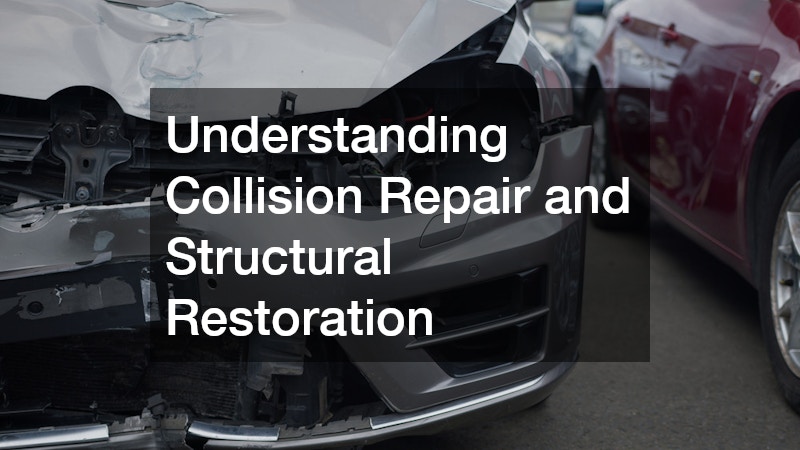
Vehicle collisions can compromise more than just visible exterior panels. Even a minor accident can affect the structural integrity of a vehicle, altering alignment and weakening key support areas. Structural restoration focuses on returning the vehicle to its original specifications, ensuring that it performs safely in future driving conditions. Proper repair techniques restore stability, protect passengers, and maintain the manufacturer’s safety standards. Without accurate structural correction, a vehicle may experience uneven tire wear, steering problems, or reduced crash protection.
A professional collision and frame service addresses these deeper structural concerns. Technicians use advanced measuring equipment and frame straightening systems to restore alignment within precise tolerances. This process ensures that crumple zones, suspension mounting points, and body panels fit correctly and function as intended. Structural repairs also help preserve the vehicle’s resale value by preventing long-term mechanical complications. By investing in professional collision and frame service, drivers protect both the safety and longevity of their vehicle after an accident.
Repairing Dents and Surface Damage
Exterior damage often appears cosmetic at first glance, but even minor dents and scratches can lead to larger issues if left untreated. Exposed metal can begin to rust, and cracked paint can allow moisture to penetrate beneath the surface. Over time, this deterioration may spread and weaken surrounding panels. Maintaining a vehicle’s exterior not only improves its appearance but also helps preserve structural strength and resale value. Prompt attention to surface damage prevents long-term corrosion and costly restoration.
Professional auto body repair addresses these concerns through detailed panel restoration and refinishing techniques. Technicians assess whether panels can be repaired or require replacement, then carefully match paint colors and finishes to restore a seamless appearance. Modern refinishing processes ensure durability and protection against future environmental damage. In addition to improving aesthetics, proper auto body repair helps maintain aerodynamic performance and protects underlying components from moisture intrusion. Addressing dents and surface damage early allows drivers to maintain both the visual appeal and functional integrity of their vehicle.
Restoring Vehicles After Accidents
Accidents can cause a range of damage that extends beyond what is immediately visible. While some impacts leave clear exterior dents and scratches, others may compromise underlying components that affect performance and safety. Prompt restoration is essential to prevent further deterioration and ensure the vehicle continues to operate reliably. Addressing accident-related issues quickly reduces the likelihood of hidden problems developing into costly mechanical failures. A comprehensive repair approach focuses on both visible and structural concerns to return the vehicle to safe driving condition.
Professional auto damage repair plays a critical role in this restoration process. Technicians conduct detailed inspections to identify frame misalignment, damaged panels, and compromised safety features such as sensors or airbags. Advanced diagnostic tools help pinpoint issues that may not be obvious during a surface-level assessment. Once identified, repairs are performed using manufacturer-recommended procedures and quality replacement parts. By investing in thorough auto damage repair, drivers protect the long-term value of their vehicle while restoring safety and performance standards after an accident.

Replacing Windshields for Clear Visibility
Clear visibility is one of the most important aspects of safe driving. Even small chips or cracks in a windshield can obstruct a driver’s line of sight and weaken the structural support that the glass provides. Windshields are designed to contribute to vehicle stability during collisions and prevent roof collapse in rollover incidents. When damage occurs, delaying replacement increases the risk of cracks spreading and compromising overall safety. Maintaining intact glass ensures reliable protection and optimal visibility in all driving conditions.
Professional windshield replacement ensures that damaged glass is removed and installed according to strict safety guidelines. Technicians use specialized adhesives and curing methods that secure the new windshield properly within the frame. Accurate installation also ensures that advanced driver assistance systems, such as lane departure warnings and automatic braking sensors, function correctly. Replacing a damaged windshield promptly restores structural strength and prevents minor cracks from escalating into larger hazards. By prioritizing windshield replacement, drivers enhance both safety and confidence behind the wheel.
Servicing and Protecting Vehicle Glass
Vehicle glass extends beyond the windshield to include side windows, rear windows, and specialty glass components. These elements provide visibility, protect passengers from debris, and support climate control efficiency. When glass becomes scratched, cracked, or loose, it can reduce security and expose the interior to weather damage. Proper maintenance of all glass components contributes to overall vehicle safety and comfort. Addressing minor issues early prevents larger structural and security concerns from developing.
A professional auto glass service evaluates each window for damage, seal integrity, and proper alignment. Technicians repair minor chips when possible and replace severely damaged panes to restore safety standards. Proper sealing techniques prevent water leaks that could damage electrical systems or interior materials. Additionally, maintaining high-quality glass supports noise reduction and insulation performance. Investing in auto glass service helps preserve structural integrity, enhance visibility, and maintain the vehicle’s overall durability for years to come.
Maintaining Suspension for Smooth Performance
A vehicle’s suspension system plays a crucial role in stability, control, and overall driving comfort. When suspension components wear down, drivers may notice excessive bouncing, uneven tire wear, or difficulty steering. These issues not only reduce comfort but can also compromise braking efficiency and road handling. Proper suspension maintenance ensures that the tires maintain consistent contact with the road surface, which directly impacts safety. Regular inspections help detect worn parts before they lead to more serious mechanical problems.
Servicing shocks and struts is a key part of suspension maintenance. These components absorb impact from road irregularities and help stabilize the vehicle during turns and braking. Over time, shocks and struts can lose their effectiveness, causing longer stopping distances and reduced vehicle control. Replacing worn suspension parts restores balance and improves ride quality. By addressing shocks and struts as part of routine maintenance, drivers enhance vehicle safety and extend the lifespan of related components such as tires and steering systems.
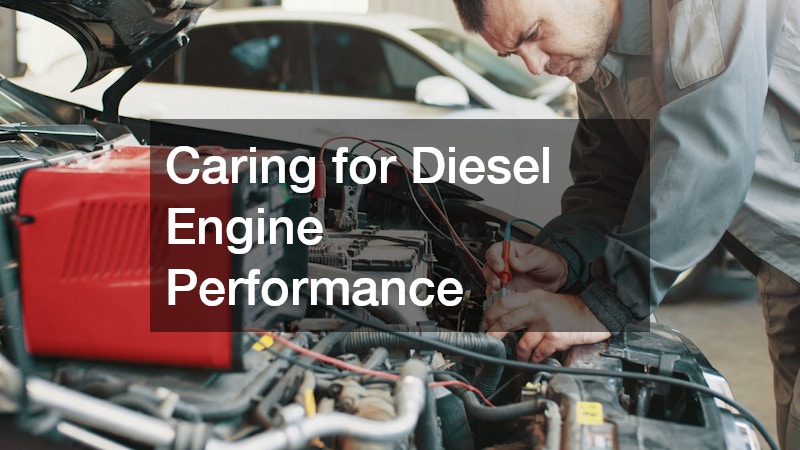
Caring for Diesel Engine Performance
Diesel engines are known for their durability, power, and towing capability, but they require specialized maintenance to operate efficiently. Regular servicing helps maintain fuel efficiency, reduce emissions, and prevent costly mechanical breakdowns. Ignoring minor engine performance issues can result in reduced power output or excessive strain on internal components. Routine inspections ensure that fuel systems, turbochargers, and cooling systems function properly. Proper care supports long-term reliability and consistent performance under demanding conditions.
Maintaining a powerstroke engine requires attention to manufacturer-specific service intervals and component requirements. Technicians monitor fuel injection systems, filtration components, and exhaust systems to ensure optimal operation. Addressing warning signs such as unusual smoke, rough idling, or decreased acceleration prevents larger mechanical failures. Timely service also protects sensitive engine components from premature wear. By prioritizing care for a powerstroke engine, drivers maintain dependable performance and avoid unexpected downtime that can disrupt daily operations.
Navigating Coverage and Claims
Understanding repair coverage is an essential part of vehicle ownership. After an accident, drivers often face the challenge of coordinating repairs while managing insurance paperwork and claim approvals. Knowing what coverage applies and how to document damage helps streamline the process. Clear communication and accurate documentation reduce delays and prevent misunderstandings. Being informed about coverage options ensures that necessary repairs are completed efficiently and with fewer complications.
Working through auto insurance claims requires careful attention to repair estimates and policy details. Drivers should obtain detailed assessments of damage and confirm coverage limits before authorizing repairs. Accurate repair documentation supports smoother claim approvals and reimbursement processes. Understanding deductibles, rental coverage, and approved repair facilities can also simplify decision-making. By navigating auto insurance processes carefully, drivers protect their financial interests while ensuring their vehicle is restored properly after an accident.
About the Author