Choosing the right services for a vehicle involves more than finding the nearest shop or selecting the lowest estimate. Different vehicles have different maintenance requirements, while factors such as mileage, driving habits, climate, vehicle age, and previous damage can all influence which services are appropriate. Some needs are essential for safety and reliability, while others are primarily focused on comfort, appearance, or convenience.
Understanding how to evaluate your vehicle’s condition and compare service providers can help you spend money where it matters most. It can also reduce the risk of unnecessary repairs or poorly matched upgrades. By taking a thoughtful approach, vehicle owners can identify priorities, ask better questions, and select services that support their specific needs.
Assess Your Vehicle’s Current Condition
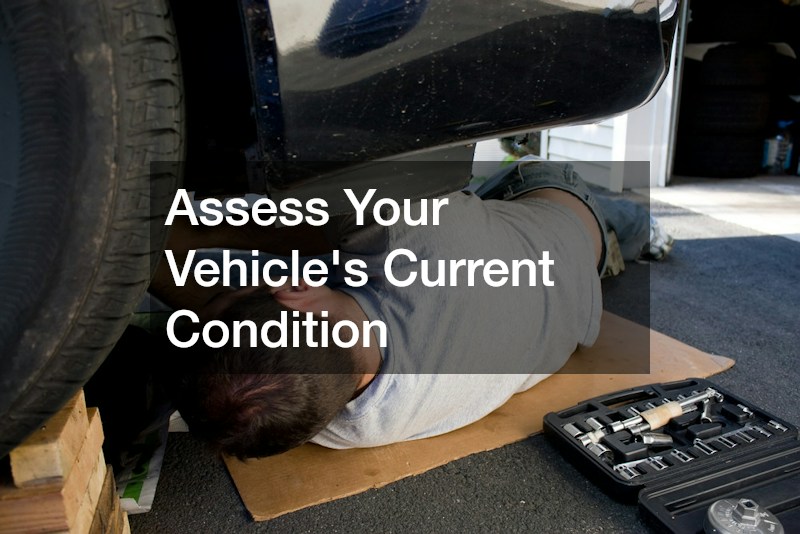
Before scheduling any service, start by determining what your vehicle actually needs. Review the owner’s manual, maintenance records, mileage, and recent inspection results. If you have recently purchased the vehicle, gather as much information as possible about its previous service history.
Pay attention to changes in performance. Warning lights, unusual noises, fluid leaks, reduced braking performance, vibration, difficulty starting, and changes in fuel economy can indicate problems that deserve professional attention. Cosmetic concerns, such as scratches or faded paint, may be less urgent but should still be documented.
It can help to divide your needs into three categories:
- Immediate: Problems that could affect safety, drivability, or cause additional damage.
- Upcoming: Maintenance or repairs that should be addressed soon, but do not require immediate attention.
- Optional: Appearance, comfort, or convenience improvements that can be scheduled according to your budget.
This approach prevents optional upgrades from taking priority over essential maintenance. It also gives you a clearer picture of how much you should reasonably expect to spend.
Know When Replacement Components Are Necessary
Not every vehicle problem requires replacing a component. Sometimes an adjustment, cleaning, software update, or minor repair can solve the issue. When replacement is necessary, however, the component’s quality and compatibility matter.
When shopping for auto parts, verify the exact year, make, model, engine, trim level, and applicable specifications. Two vehicles that look nearly identical may use different components. Using the wrong part can cause performance problems, premature wear, or installation complications.
You should also understand the differences among original-equipment, aftermarket, and used components. Original-equipment components are designed to meet the manufacturer’s specifications, while aftermarket options vary considerably in quality and price. Used components may make financial sense for certain older vehicles, but their condition and remaining service life should be considered.
Before purchasing a component, ask:
- Is it compatible with the vehicle?
- Does it carry a warranty?
- Who will install it?
- Could a lower-cost option compromise reliability?
- Is the component readily available if it needs replacement later?
A reputable service provider should be willing to explain why a particular component is recommended rather than simply presenting a price.
Choose Repairs Based on the Actual Problem
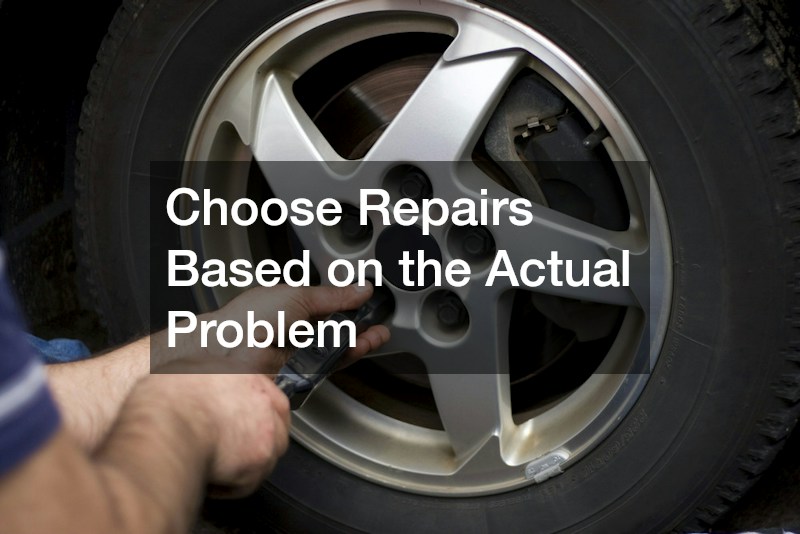
When a vehicle develops a problem, the first priority should be determining its cause. Replacing a visible or easily accessible component without diagnosing the underlying issue can lead to wasted money and recurring problems.
For example, a warning light may have several possible causes. A technician should use appropriate diagnostic procedures to identify the source rather than assuming that one particular component is responsible.
When evaluating an auto repair recommendation, ask the technician to explain what was found and how the recommended work addresses it. A trustworthy provider should be able to describe the diagnosis in understandable terms.
Compare estimates based on more than the final price. Look at:
- Labor charges
- Component quality
- Diagnostic fees
- Warranty coverage
- Expected completion time
- Additional recommended work
- Whether taxes and shop fees are included
A lower estimate is not necessarily the better deal if it excludes necessary work or uses components with limited durability. Conversely, an expensive recommendation is not automatically superior. The goal is to find a service that provides an appropriate solution at a reasonable cost.
Address Exterior Damage Before It Worsens
Dents, scratches, damaged bumpers, chipped paint, and collision damage can affect more than a vehicle’s appearance. Depending on the location and severity, exterior damage can expose underlying materials to moisture, create additional deterioration, or indicate structural problems that are not immediately visible.
Before scheduling auto body repair, determine whether the damage is cosmetic or could affect the vehicle’s safety. A professional inspection can help identify hidden issues following a collision.
Ask the provider how the damage will be addressed. Depending on the situation, the process may involve:
- Dent removal
- Panel repair
- Panel replacement
- Paint matching
- Scratch removal
- Bumper repair
- Structural inspection
Paint matching is particularly important when only part of a vehicle is being repaired. Poor color matching can make a repair obvious even when the underlying work is sound.
The vehicle’s age and value should also influence your decision. Extensive cosmetic work may make sense for a newer vehicle, while an older vehicle may call for a more practical repair approach. Obtain an itemized estimate so you can compare the expected cost with the vehicle’s overall value.
Match Service Expertise to Your Vehicle
Some vehicles can be serviced by a wide range of automotive professionals, while others may benefit from technicians who regularly work with a particular manufacturer or model. Specialized knowledge can be especially valuable when a vehicle has unique electronic systems, specialized components, or manufacturer-specific maintenance procedures.
For owners seeking Toyota repair, for example, experience with the manufacturer’s systems and common model-specific concerns can be beneficial. A qualified technician should understand the vehicle’s maintenance requirements and have access to appropriate diagnostic equipment when necessary.
Ask potential providers:
- How often do you service this make and model?
- Do you have the necessary diagnostic equipment?
- Are technicians trained to work on this vehicle?
- Which maintenance items are currently due?
- Are manufacturer-specific procedures required?
Specialized knowledge does not necessarily mean every service must be performed at a dealership. Independent providers can also have extensive experience with particular makes and models. The important consideration is whether the provider has the knowledge, equipment, and experience needed for the job.
Improve Comfort Without Sacrificing Visibility
Window modifications can improve cabin comfort, reduce glare, and change a vehicle’s appearance. However, selecting the right product requires more consideration than simply choosing the darkest available option.
When considering auto window tinting, evaluate the film’s heat rejection, ultraviolet protection, glare reduction, appearance, and durability. Different products can provide substantially different levels of performance even when they look similar.
Legal requirements are another important consideration. Window-tinting regulations can vary by location and may set limits on visible light transmission for different windows. Always verify applicable requirements before installation.
You should also consider how tint will affect nighttime driving. An extremely dark film may reduce visibility in certain conditions, particularly on poorly lit roads. Professional installation can help ensure that the film is applied evenly without bubbles, gaps, or premature peeling.
Ask about:
- Film type and construction
- Warranty coverage
- Expected lifespan
- Installation process
- Curing requirements
- Legal compliance
- Heat and UV performance
A quality installation should provide a clean appearance while maintaining appropriate visibility.
Consider Specialized Care for Imported and Luxury Vehicles
Vehicles with complex systems or specialized designs may require a provider with specific experience. This can be particularly important for imported and luxury models, where diagnostic procedures, replacement components, and repair methods may differ from those used on more common vehicles.
For owners who need Land Rover repairs, finding a technician familiar with the brand can make it easier to diagnose model-specific problems. Specialized experience can also help reduce the risk of using incompatible components or incorrect procedures.
Before selecting a provider, ask about its experience with your specific model and year. General familiarity with the manufacturer is useful, but model-specific experience can be even more valuable.
Consider the provider’s:
- Diagnostic equipment
- Technician training
- Experience with your model
- Availability of appropriate replacement components
- Warranty policies
- Approach to preventive maintenance
Specialized servicing can sometimes cost more than general maintenance. However, the additional expertise may be worthwhile when the vehicle’s systems are complex or when an incorrect repair could create further problems.
Keep Climate Control Working Efficiently
A vehicle’s climate-control system plays an important role in comfort and, in some situations, visibility. Problems should be addressed promptly when the system stops cooling effectively or develops unusual behavior.
Common warning signs include warm air from the vents, inconsistent cooling, weak airflow, unusual odors, strange noises, and frequent cycling. Simply adding refrigerant may not solve the problem if the system has a leak or another underlying fault.
When seeking auto AC repair, ask the technician to diagnose the system rather than automatically recharge it. A proper evaluation may involve checking refrigerant levels, leaks, electrical components, airflow, belts, hoses, and other related components.
Seasonal inspection can also be helpful. Having the system evaluated before the hottest part of the year gives you an opportunity to address small problems before they become inconvenient or more expensive.
Choose the Right Equipment for Towing and Hauling
If your vehicle will be used to tow a trailer, the trailer should be selected based on the tow vehicle’s capabilities rather than simply its size or appearance. Exceeding towing or payload limits can compromise handling, braking, and overall safety.
When researching car trailer dealers, provide information about your tow vehicle and explain what you intend to transport. A knowledgeable dealer should be able to help you identify appropriate trailer dimensions, weight ratings, hitch requirements, and other specifications.
Consider:
- Maximum towing capacity
- Trailer weight
- Cargo weight
- Payload capacity
- Hitch type
- Trailer brakes
- Lighting requirements
- Tire ratings
- Intended travel distance
An enclosed trailer may provide additional protection for equipment, while an open trailer may offer easier loading and lower weight. The right choice depends on what you transport and how frequently you use the trailer.
Decide Whether Repairing or Replacing Makes More Sense
There are situations where continuing to repair an older vehicle may no longer be the most economical choice. Making this determination requires looking beyond the cost of the latest repair.
Consider the vehicle’s current value, mileage, maintenance history, reliability, and expected future expenses. A single major repair may be reasonable if the vehicle has otherwise been dependable. Multiple expensive repairs within a short period may suggest that replacement deserves consideration.
Vehicle owners considering cash for cars should still understand their vehicle’s value before accepting an offer. Gather estimates from multiple sources and consider whether selling privately, trading the vehicle, or using a vehicle-buying service makes the most sense.
When evaluating your options, consider:
- Current market value
- Outstanding loan balance
- Recent repair expenses
- Anticipated repairs
- Fuel economy
- Insurance costs
- Replacement vehicle costs
- Overall reliability
A replacement vehicle also comes with expenses, including taxes, registration, financing, insurance, and potentially higher monthly payments. Comparing total ownership costs can produce a more realistic answer than comparing a repair bill with a vehicle’s sale price.
Add Appearance Upgrades That Fit Your Needs
Appearance upgrades can make a vehicle feel more personalized, but they should be selected with practical considerations in mind. An attractive modification should not compromise visibility, safety, legal compliance, or the vehicle’s usability.
For drivers considering car tinting, the right choice depends on the desired appearance, heat reduction, privacy, and applicable regulations. Different film types can offer varying levels of performance, so evaluate the product rather than choosing solely based on darkness.
Consider how an upgrade fits the vehicle’s overall appearance. A modification that complements the exterior can create a more cohesive look, while an overly aggressive change may reduce appeal to future buyers.
Compare Service Providers Before Booking
Once you know what your vehicle needs, compare providers carefully. A strong reputation is useful, but it should be combined with evidence of experience, transparent pricing, and clear communication.
Look for providers that explain recommendations rather than pressuring customers into immediate purchases. Written estimates can make it easier to compare services and identify differences between providers.
Pay attention to:
- Relevant experience
- Customer reviews
- Certifications or training
- Warranty policies
- Communication
- Turnaround times
- Itemized estimates
- Availability of appropriate equipment
Reviews are most useful when you look for recurring patterns. Several customers mentioning clear communication or careful workmanship can provide more insight than a single five-star rating.
Prioritize Services According to Risk and Budget
A vehicle does not have to receive every recommended service at once. Prioritizing work can help owners manage expenses without neglecting important problems.
Start with anything that affects braking, steering, tires, visibility, structural integrity, or other critical safety systems. Next, address problems that could cause additional damage if ignored. Cosmetic upgrades and convenience improvements can generally be considered afterward.
Keep records of completed work, including dates, mileage, components used, and warranty information. Good documentation can help with future maintenance and may make the vehicle easier to sell.
Most importantly, ask questions. Understanding why a service is recommended allows you to make decisions based on your vehicle’s actual condition rather than pressure or assumptions.
Taking time to compare your options can help prevent unnecessary expenses and support better vehicle ownership decisions. Whether you are maintaining a dependable daily driver, restoring an older vehicle, preparing for towing, or considering a replacement, informed choices can help you get more value from every service decision.
About the Author