That jolt you feel when your tire drops into a pothole might seem like a minor annoyance, but the damage often runs far deeper than a startled coffee cup. Suspension components absorb these impacts silently, wearing down long before any dashboard light or obvious symptom appears. Many drivers only discover the true cost when a routine check reveals worn bushings, bent parts, or leaking shocks.
Understanding how potholes affect your vehicle over time can help you catch problems early and avoid a much larger repair bill down the road.
Shock Absorbers and Struts Take the First Hit
Shocks and struts are designed to soak up impact and keep your tires planted on the road, but potholes ask them to do far more work than they were built for in a single moment. Repeated hard hits cause the internal seals to weaken, which leads to fluid leaks and a noticeable loss of control on bumpy roads. A single deep pothole can sometimes cause instant damage, but it is usually the accumulation of smaller hits that quietly shortens their lifespan.
Drivers often mistake early strut wear for a rough road surface rather than a mechanical issue, which delays the fix and allows more damage to spread to nearby components. If you notice your car bouncing excessively after a bump or leaning during turns, it is worth having the struts inspected before the problem worsens.
- Fluid leaking around the shock or strut housing
- A bouncy or floaty feeling over small bumps
- Uneven tire wear developing faster than expected
- Nose diving noticeably when braking
Wheel Alignment and Steering Components Shift Out of Place
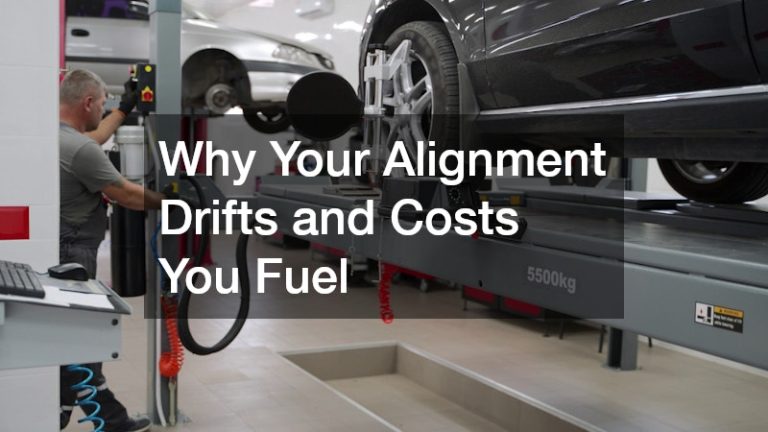
A hard pothole impact can knock your wheel alignment out of spec almost instantly, even if there is no visible damage to the tire or rim. Once alignment shifts, the steering and suspension geometry no longer works together correctly, which puts uneven stress on tie rods, ball joints, and control arm bushings. Over time, this uneven wear accelerates the breakdown of parts that would otherwise last for years.
Steering that pulls to one side, a vibrating wheel at highway speed, or a steering wheel that sits crooked while driving straight are all signs worth paying attention to. These symptoms rarely resolve on their own and tend to compound the longer they go unaddressed.
- Steering wheel off-center during straight-line driving
- Vibration felt through the wheel at higher speeds
- Tires wearing unevenly on the inner or outer edge
- A pulling sensation when releasing the steering wheel
Tires and Wheels Absorb Damage That Spreads Elsewhere
The tire and wheel are the first point of contact with a pothole, and the damage here often signals trouble for the suspension components behind them. A sidewall bulge, for example, indicates internal tire damage from an impact strong enough to also stress the suspension mounts. Bent rims are another common outcome, and a wheel that no longer sits perfectly true adds constant vibration that wears down bearings and joints faster than normal.
It is easy to focus only on the tire when checking for pothole damage, but a thorough inspection should always include what lies just beyond it. Ignoring subtle wheel damage can mean missing the early warning signs of a bigger mechanical issue building underneath the vehicle.
- Bulges or blisters on the tire sidewall
- Visible dents or bends in the wheel rim
- Persistent vibration that changes with speed
- Air pressure loss without an obvious puncture
Bushings and Mounts Wear Down Gradually
Rubber and polyurethane bushings cushion the connection points between suspension parts and the vehicle frame, and they are especially vulnerable to repeated pothole impacts. Unlike a sudden break, bushing wear tends to happen gradually, producing clunking noises or a looser, less responsive feel in the steering long before the part fully fails. Because this wear is progressive, it is often overlooked until the ride quality has noticeably declined.
When bushings deteriorate, the extra play they create allows metal components to shift more than intended, which speeds up wear on everything connected to them. Addressing worn bushings early is far less costly than waiting until surrounding parts need replacement too.
- Clunking or knocking sounds over bumps
- A looser, less precise steering feel
- Visible cracking or separation in rubber bushings
- Increased body roll while cornering
Know When It Is Time for a Professional Inspection
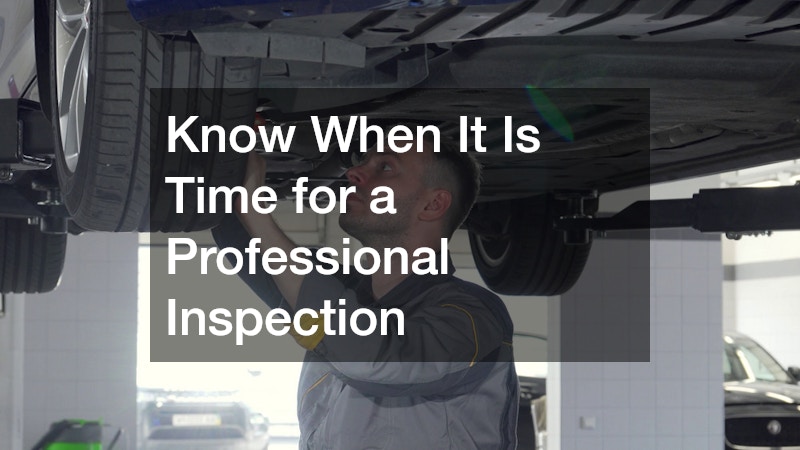
Not every pothole encounter requires an immediate trip to the shop, but certain warning signs should never be ignored. If your vehicle pulls, bounces, vibrates, or makes new noises after hitting a rough patch of road, a proper inspection can catch minor damage before it becomes a major repair. Suspension repair performed early, while the damage is still limited to a single component, is almost always less expensive than waiting until multiple parts have failed together.
For diesel trucks and larger vehicles, the added weight means suspension stress from potholes can be even more pronounced, and a diesel mechanic who understands heavy-duty suspension systems can spot issues that a general inspection might miss. These vehicles often carry loads or tow trailers, which puts additional strain on already compromised components after repeated impacts. Getting ahead of the problem protects both your safety and your wallet.
- New or unusual noises after hitting a bump
- Noticeable change in ride comfort or handling
- Warning lights related to stability or traction control
- Uneven tire wear appearing suddenly
Simple Habits That Reduce Long-Term Suspension Stress
While you cannot avoid every pothole, small driving habits can meaningfully reduce the wear and tear on your suspension over time. Slowing down before a known rough patch, keeping proper following distance to allow reaction time, and maintaining correct tire pressure all help your suspension absorb impacts more effectively. Routine auto repair visits also give a professional the chance to catch small issues, like a slightly worn bushing or a minor alignment shift, before they turn into bigger problems.
Building these habits into your regular driving routine costs little effort but pays off significantly in extended component life. Combined with periodic inspections, they form a simple but effective defense against the cumulative damage potholes cause.
- Slow down when approaching visible road damage
- Keep tires inflated to the manufacturer’s recommended pressure
- Schedule regular suspension inspections, especially after rough winters
- Avoid overloading your vehicle beyond its rated capacity
Conclusion
Potholes rarely cause dramatic, instant failures, which is exactly what makes them so dangerous to your suspension over time. The wear they cause is quiet, cumulative, and easy to dismiss until ride quality and safety are noticeably compromised. Paying attention to the early warning signs and scheduling an inspection at the first sign of trouble can save you from a far more expensive repair later. Taking action now is the simplest way to keep your vehicle handling safely for years to come.
About the Author