On a scorching summer afternoon, the difference between a car that feels livable and one that feels like an oven often comes down to how much heat is entering through the glass. Tinted windows are one of the simplest upgrades a driver can make to reduce interior temperatures, but the effects go beyond comfort. Less heat soaking into the cabin can mean less strain on your air conditioning system, which in turn can influence how hard your engine works. This article breaks down the real relationship between window tint, cabin temperature, and engine load so you can decide whether tinting is worth it for your vehicle.
How Solar Heat Enters a Parked or Moving Vehicle
Sunlight passes through glass and gets absorbed by the dashboard, seats, and interior trim, which then radiate that heat back into the cabin air. This is the same greenhouse effect that heats up a closed room with large windows, and it happens fast in a parked car. Within just 20 to 30 minutes on a sunny day, interior temperatures can climb 40 degrees Fahrenheit above the outside air temperature. Windshields and front side windows typically let in the most direct solar radiation since they face the sun more directly during daytime driving.
The type of glass matters too. Untreated glass allows a large percentage of infrared and ultraviolet radiation to pass through unfiltered, which accelerates cabin heating and fades interior materials over time. Understanding this baseline is important before looking at how tint changes the equation, since the goal of any tinting product is to interrupt this heat transfer process at the source.
What Window Film Actually Blocks and Reflects
Quality window film works by reflecting, absorbing, or scattering solar energy before it fully penetrates the glass. Most films are rated by their total solar energy rejection, which measures the combined blocking of visible light, infrared heat, and UV rays. Higher-end ceramic and metallic films can reject 50 to 70 percent of solar heat, while cheaper dyed films offer more modest results, often below 30 percent.
Auto tinting products vary widely in performance depending on the film technology used, so it pays to compare specifications rather than assume all tint looks the same in a showroom. A film that looks equally dark to the eye can perform very differently in terms of actual heat rejection. This is why two cars with similar-looking tint can have noticeably different interior temperatures on the same day.
- Dyed film: budget-friendly but limited heat rejection and can fade over time
- Metallic film: strong heat blocking but can interfere with radio or GPS signals
- Ceramic film: premium option with high heat rejection and no signal interference
- Hybrid film: blends dye and metal particles for a balance of cost and performance
Cabin Temperature Reduction and Everyday Comfort
Drivers who switch to a quality tint often report a noticeable drop in how quickly their car heats up after being parked in the sun. This isn’t just a comfort perk, since lower peak cabin temperatures reduce the initial blast of heat the air conditioning system has to overcome when the car starts moving again. Passengers sitting near tinted side windows also experience less direct radiant heat on their skin, which can make even a warm cabin feel more tolerable.
Reduced glare is another practical benefit that ties into comfort and safety rather than just temperature. Bright sun reflecting off wet roads or oncoming windshields can cause squinting and eye fatigue, and a properly tinted windshield or side window cuts down on that harshness. Less strain while driving translates to better focus, especially on long highway stretches during peak sun hours.
Air Conditioning Demand and Engine Load Explained
A vehicle’s air conditioning compressor draws power directly from the engine, typically through a belt-driven pulley system. When cabin temperatures are higher to begin with, the compressor has to work harder and longer to reach a comfortable setting, which increases the mechanical load placed on the engine. This added load can translate into a measurable, if modest, increase in fuel consumption, particularly during stop-and-go city driving where the engine is already working through frequent acceleration cycles.
Tinted windows help by lowering the starting point for cabin heat, meaning the AC system doesn’t have to work as aggressively to bring the temperature down. Over the life of a vehicle, this can mean less wear on compressor components and belts, since they’re not being pushed to their limits as often. It’s a small effect on any single trip, but consistent reduction in AC strain adds up across thousands of miles of driving.
Long Term Effects on Interior and Mechanical Wear
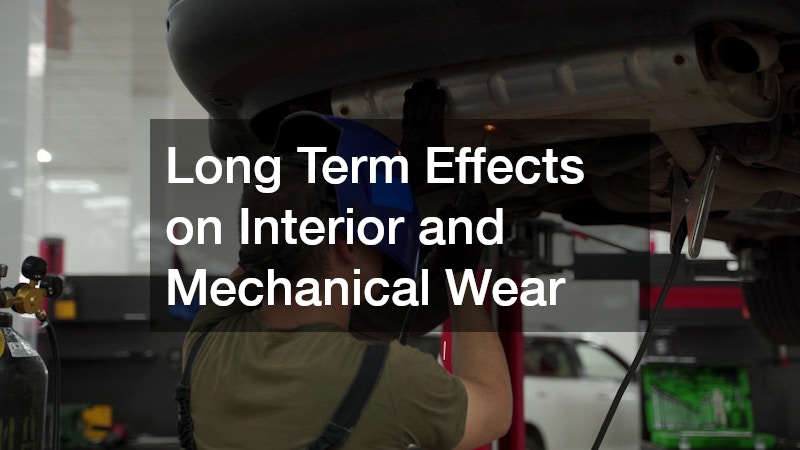
Excess heat doesn’t just make a cabin uncomfortable, it also accelerates the breakdown of interior materials like vinyl, leather, and plastic trim. UV exposure combined with high temperatures causes cracking, fading, and brittleness over time, which can lower resale value and require costly interior repairs. Tint acts as a protective barrier, slowing this degradation and helping interior surfaces hold up better through years of sun exposure.
On the mechanical side, consistently high under-hood and cabin temperatures can contribute to added stress on components tied to climate control and even battery performance. Extreme heat is one of the leading causes of reduced battery lifespan, since it accelerates the chemical reactions that cause degradation. Much like vehicle exhaust extraction systems help manage heat and airflow in a repair shop setting, reducing cabin and under-hood heat buildup in daily driving eases the burden on temperature-sensitive components. While tint alone won’t solve every heat-related mechanical issue, it’s one part of a broader strategy that also includes routine Auto Repair checkups to catch cooling system or battery problems before they become expensive failures.
Legal Tint Limits and Getting Professional Installation
Every state and region sets its own rules for how dark window tint can legally be, usually measured as a percentage of visible light transmission allowed through the glass. Windshield tinting often faces the strictest limits, sometimes only permitting a narrow tinted strip along the top edge, while side and rear windows may allow darker shades. Checking local regulations before choosing a film percentage can save you from fines or the hassle of having to remove and redo the work.
Professional installation also matters for performance and appearance. Poorly applied film can bubble, peel, or create uneven light transmission, which undermines both the heat rejection benefits and the look of the vehicle. Shops that specialize in film application typically use precision-cut templates for each make and model, ensuring a clean fit around defrosters, sensors, and antennas embedded in the glass.
- Confirm your state’s legal VLT percentage for front, rear, and windshield glass
- Ask installers about warranty coverage for bubbling or peeling
- Request documentation showing the film’s heat rejection rating
- Avoid extremely cheap tint jobs that skip proper edge sealing
Everyday Vehicle Care That Pairs Well With Tinting
Tinting is just one piece of keeping a vehicle comfortable and efficient in hot weather. Properly inflated tires reduce rolling resistance and help the engine run more efficiently, so it’s worth checking pressure at least once a month using a reliable gauge, since factory-recommended PSI is often printed on a sticker inside the driver’s door. Asphalt temperatures can climb well above the surrounding air temperature on a summer day, and that added heat accelerates tread wear and can cause underinflated tires to build up dangerous internal heat faster than expected. Rotating tires every 5,000 to 7,000 miles and keeping an eye on tread depth with a simple penny test can also help a vehicle handle better and put less strain on the engine and transmission. Cabin air filters are another easy item to check, since a clogged filter forces the HVAC system to work harder to cool down a tinted, heat-reduced interior. Many drivers pair a tinting appointment with a visit for tire sales when their tread is getting low, since both services are often about preparing a vehicle for seasonal driving conditions. Scheduling these together not only saves a trip but also gives a shop the chance to check alignment and fluid levels at the same time, catching small issues before they turn into costly repairs.
It’s also useful to remember that heat management isn’t unique to passenger cars. Heavy equipment like wheel loaders and other machinery operating in direct sun face similar challenges with cabin heat and operator comfort, which is why many equipment manufacturers now offer tinted or reflective glass options as standard equipment on new models. The same physics that cools a sedan’s interior applies whether the vehicle is a compact car or a multi-ton loader working a job site for eight or ten hours at a stretch. A few simple habits make tinting even more effective, no matter what you drive. Cabin air filters should generally be swapped every 15,000 to 30,000 miles, since a clogged filter forces the AC system to work harder just to push air through, which adds strain on top of whatever heat is already soaking into the cabin. Dashboard UV protectant is another easy addition — applied every month or two, it keeps vinyl and plastic from drying out and cracking under prolonged sun exposure, which tinted glass alone can’t fully prevent. Shaded parking, even just angling a vehicle so the windshield faces away from direct sun, can drop interior temperatures by 20 to 30 degrees Fahrenheit compared to full sun exposure. For heavy equipment operating on open job sites where shade isn’t always an option, this is where tinted or reflective glass earns its keep the most. Combined, these small measures work alongside tinting to reduce strain on the air conditioning system, helping it run more efficiently and last longer across both daily drivers and heavy equipment alike.
Tinted windows offer a practical, relatively affordable way to reduce cabin heat, ease the burden on your air conditioning system, and protect your vehicle’s interior from long-term sun damage. While the reduction in engine load from any single drive may be small, the cumulative benefits to comfort, fuel efficiency, and component longevity make it a worthwhile investment for most drivers. Before scheduling an appointment, check your local tint laws and compare film types so you choose a product that matches your climate and driving habits. Talk to a reputable installer about heat rejection ratings and warranty coverage to make sure you get real performance, not just a darker look.
About the Author