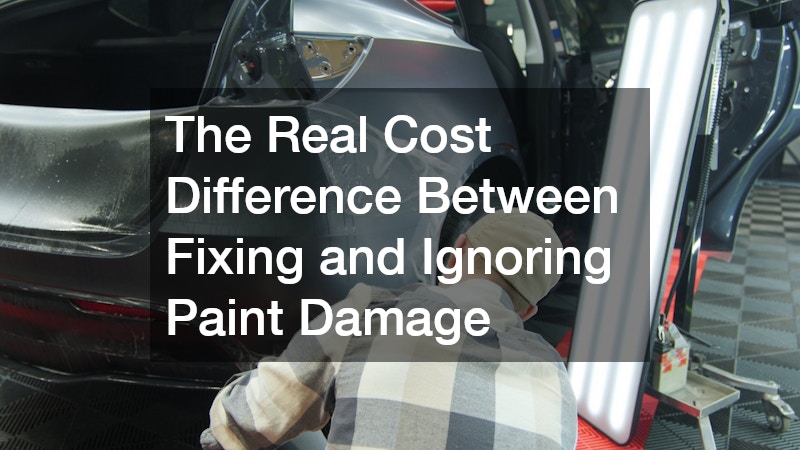
A small chip or scratch on your car’s paint might seem like a cosmetic issue you can put off dealing with. But paint damage is rarely just skin deep, and waiting to address it often costs far more than the initial repair would have. Understanding how minor damage escalates into major expense can help you make a smarter decision the next time you spot a scratch, dent, or scrape on your vehicle.
How Small Paint Chips Turn Into Big Repair Bills

A tiny chip in your paint exposes the metal underneath to moisture, road salt, and oxygen. Once rust starts forming under the surface, it spreads outward and downward, eating through metal panels that once cost pennies to protect. What began as a cosmetic fix requiring touch-up paint can turn into a structural repair involving panel replacement.
The timeline matters more than most drivers realize. A chip left untreated can develop surface rust within a few weeks in humid climates or areas that use road salt in winter. Within six months to a year, that surface rust can progress to perforation, meaning the metal actually rusts through, not just discolors.
Cost escalates at each stage. Touching up a chip early might run $20-50 in materials or a quick trip to a body shop for under $100. Once rust sets in and spreads beneath adjacent paint, you’re looking at sanding, rust treatment, and repainting an entire panel, often $300-800. Left long enough, that panel may need to be cut out and replaced entirely, pushing costs into the $1,000-2,500 range depending on the panel and whether structural components are involved.
Location on the vehicle matters too. Chips near wheel wells, rocker panels, and the bottom edges of doors are especially high-risk because they’re constantly exposed to splashing water, salt, and debris kicked up from the road. A chip in these zones can rust through years faster than the same chip on a hood or roof.
The timeline matters more than most people realize. A chip left untreated for a few months might still be a simple fix, but the same chip after a year or two of exposure to weather could require extensive rust removal and metal work.
Here’s what happens beneath the surface: once a chip breaks through the clear coat and primer, bare metal is exposed to moisture, road salt, and oxygen. Rust doesn’t wait for a convenient time to form. In humid climates or during winter months when roads are salted, corrosion can take hold in as little as a few weeks.
The repair cost escalates in stages. A fresh chip might cost $20-$60 to touch up yourself, or $75-$150 for a professional spot repair. Once rust starts creeping under the paint, though, a body shop has to grind out the affected metal, treat it, and sometimes weld in a patch panel — pushing the bill to $300-$800 depending on the location and size of the damage.
Location on the vehicle matters too. Chips near wheel wells, rocker panels, and the bottom edges of doors are especially vulnerable because they’re constantly hit with moisture, road grime, and salt spray. A chip in these areas can progress to rust twice as fast as one on a hood or roof.
- A small chip left untreated can expose bare metal to moisture within days, starting the rust clock immediately
- Surface rust can typically be treated with sanding and repainting, often costing $150-$300 per panel
- Penetrating rust often requires cutting out and welding new metal, pushing repair costs to $500-$1,500 or more
- Rust that reaches structural components (frame rails, floor pans, suspension mounts) can affect vehicle safety and may fail inspection
- Structural rust repairs can run into the thousands and sometimes total older vehicles
- Coastal and cold-climate regions see faster rust progression due to salt exposure from road treatments or sea air
- In high-risk regions, a chip can progress from surface rust to penetrating rust in as little as one winter season
Comparing Upfront Repair Costs to Long Term Expenses
Getting a scratch or chip fixed early is almost always the cheaper path. A basic touch-up or small panel repair at an auto body repair shop might run you anywhere from fifty to a few hundred dollars, depending on the size and location of the damage. Compare that to the cost of replacing an entire door panel or quarter panel once rust has spread, which can run into the thousands.
Insurance often doesn’t cover damage that resulted from neglect, which means the financial burden falls entirely on you. Many owners are surprised to learn that a claim for rust damage can be denied if an adjuster determines the corrosion stemmed from an unaddressed chip rather than a sudden collision event. Acting early keeps your options open and your wallet lighter.
What Happens Inside an Auto Collision Center During an Inspection
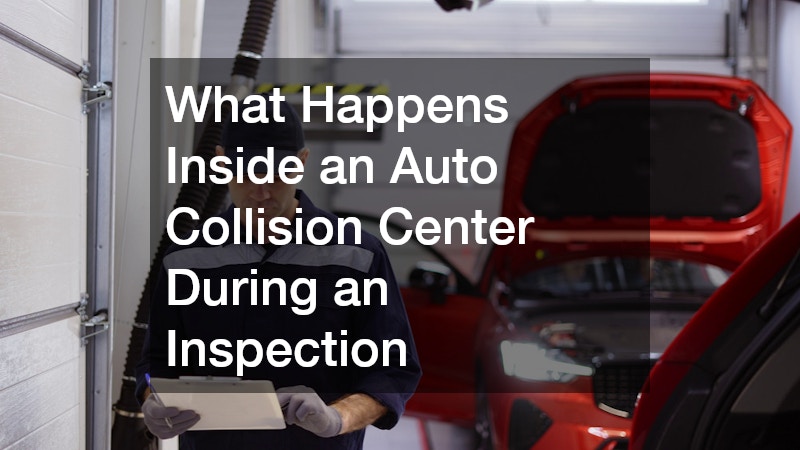
When you bring your car in for an evaluation, technicians at an auto collision center do more than glance at the visible damage. They assess paint depth, check for moisture intrusion, and often use specialized lighting to spot early rust formation that isn’t visible to the naked eye. This thorough approach helps catch problems while they are still inexpensive to fix.
Many shops will also document the damage with photos and written estimates, which can be useful if you decide to file an insurance claim later. Getting a professional opinion early, even if you’re not ready to commit to repairs, gives you a clearer picture of what you’re dealing with and how urgent the fix really is.
- Paint depth gauges measure how much clear coat and paint remain
- UV lights can reveal early oxidation not visible under normal light
- Written estimates help with insurance documentation
- Some inspections are free or low cost, making them worth scheduling
The Hidden Costs of Delaying Auto Body Repair
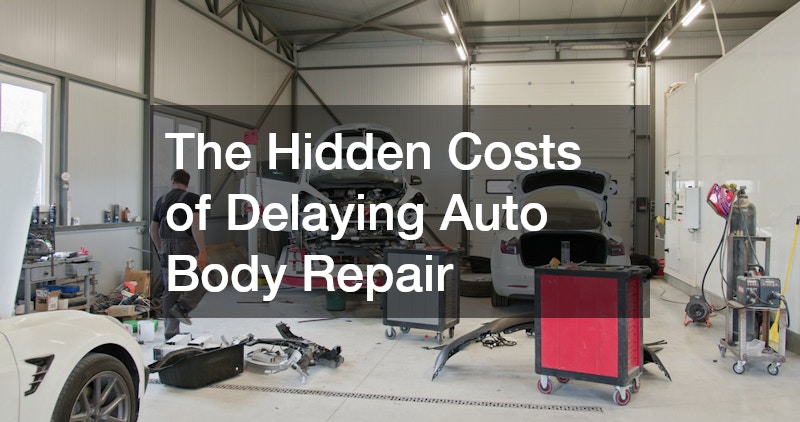
Beyond rust, delayed repairs can affect your car’s resale value significantly. Buyers and dealers inspect paint condition closely, and visible damage or repair scars can knock hundreds or even thousands off a trade-in offer. Dealers typically use standardized inspection checklists that flag chips, scratches, and clear-coat failure as deductions, sometimes reducing an offer by 10-15% of the vehicle’s total value.
A well-maintained exterior signals that the whole vehicle has been cared for, while damaged paint suggests neglect throughout. This perception matters more than most owners realize: a private buyer who spots faded or peeling paint often assumes deferred maintenance elsewhere, like worn brakes or overdue fluid changes, and will negotiate accordingly or walk away entirely.
The type of damage also matters when it comes to valuation. A single small chip touched up professionally barely registers, but a large area of oxidized paint, a rusted panel, or mismatched aftermarket touch-up work can trigger a full repaint estimate during appraisal, which buyers then use as leverage to lower their offer well beyond the actual repair cost.
Timing compounds the problem further. A $200 fix today postponed for two or three years can easily become a $1,500 repaint job once rust sets in, and that gap widens every trade-in cycle since depreciation and damage severity increase together rather than independently.
There’s also the compounding effect of multiple untreated issues. A single scratch might not seem urgent, but if you’re ignoring several small problems at once — a chipped bumper here, a rust spot there, a scuffed panel from a shopping cart — they add up into a much larger auto body repair project down the road. What could have been three separate $150 touch-ups often turns into a single $1,200 overhaul once corrosion sets in and multiple panels need attention.
Shops typically charge less per issue when repairs are simple and isolated, since each one requires less labor, fewer materials, and no special prep work. Once rust spreads or paint damage multiplies across a vehicle, technicians often need to blend repairs across adjacent panels to avoid visible mismatches, which drives up both time and cost.
Tackling issues individually as they arise is almost always more manageable than facing them all at once, both financially and logistically. It also means shorter shop visits, less time without your car, and a lower chance that a routine auto body repair turns into a full respray or panel replacement.
- Resale value can drop noticeably with visible paint damage — appraisers often cite chips, fading, or mismatched panels to knock hundreds off an offer
- Multiple small repairs are often cheaper than one large combined repair, since rust and cracked clear coat spread to nearby panels over time
- Dealers frequently use paint condition as a negotiating point, sometimes citing minor scratches to justify cuts far larger than the actual repair cost
- Private buyers may walk away entirely if they spot rust, viewing it as a sign of neglect or deeper structural issues
- Insurance claims can get complicated if damage is left untreated, as adjusters may argue neglect contributed to the extent of the loss
- Small paint issues left unresolved can void certain manufacturer or aftermarket warranties tied to corrosion protection
Why Auto Collision Damage Requires Prompt Attention
Damage from an accident behaves differently than a simple chip or scratch, and the urgency is even greater. An auto collision can crack or shift body panels in ways that aren’t always obvious, leaving gaps where water and debris collect. Left alone, these gaps accelerate corrosion and can compromise the structural integrity of the vehicle.
Even a low speed fender bender can misalign panels enough to break the paint’s protective seal in hidden spots. Getting a post accident inspection quickly, rather than waiting weeks or months, reduces the chance that minor collision damage turns into a much larger repair involving both bodywork and mechanical components.
How an Auto Body Shop Assesses Repair Versus Replacement
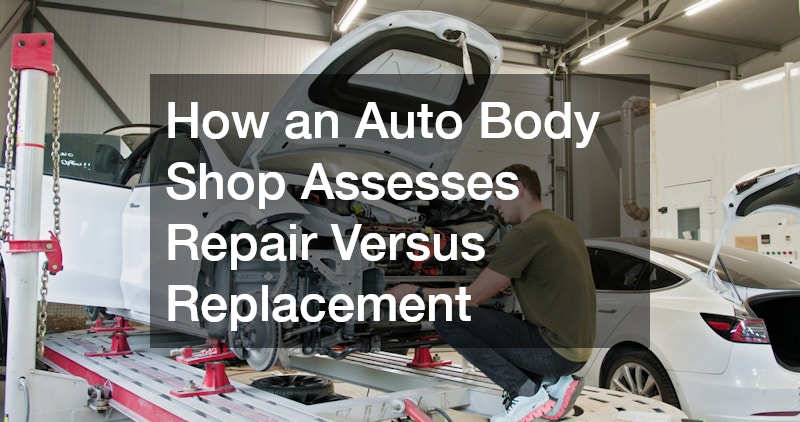
Not every damaged panel needs to be replaced outright. A skilled auto body shop will evaluate whether a dent or scratch can be repaired in place or whether the panel has been compromised enough to warrant full replacement. This decision is based on the depth of the damage, the condition of the metal underneath, and how much of the factory finish remains intact.
Getting multiple opinions can be valuable here, since repair thresholds can vary between technicians. Asking detailed questions about why a certain approach is recommended helps you understand the reasoning and confirm you’re not paying for more work than necessary.
- Panel repair is usually cheaper and preserves more original material
- Replacement is often necessary when rust has penetrated deeply
- Get a second estimate for any repair over a few hundred dollars
- Ask whether OEM or aftermarket parts will be used for replacement
The Collision Repair Process and What to Expect
Understanding what happens during collision repair can make the decision to move forward feel less overwhelming. Most shops start with a thorough damage assessment, followed by disassembly of affected panels, frame or panel straightening if needed, and then bodywork to prepare the surface for paint. The final stages involve color matching, painting, and a quality inspection before the car is returned to you.
Timeframes vary depending on severity, but even moderate collision repair work typically takes several days to a couple of weeks. Being upfront with your shop about your timeline and budget helps them prioritize the work and communicate realistic expectations.
- Initial assessment and estimate
- Disassembly and parts ordering
- Frame or panel straightening
- Bodywork, priming, and color matched painting
- Final inspection and quality check
Protective Coatings That Reduce Future Paint Damage
Once repairs are complete, protecting your investment becomes the next priority. A car clear bra is a transparent, durable film applied to high impact areas like the front bumper, hood, and mirrors, shielding them from rock chips, road debris, and minor abrasions. This kind of film can significantly extend the life of a fresh paint job by absorbing impact before it reaches the paint itself.
Ceramic coating is another popular option, forming a hard, glossy layer that bonds to the paint and resists dirt, UV damage, and minor scratching. Unlike wax, which wears off within weeks, a quality ceramic coating can last one to several years depending on the product and application. Many owners combine both protections, using a car clear bra on vulnerable areas and a coated finish across the rest of the vehicle for comprehensive defense.
- Paint protection film absorbs rock chips before they reach the clear coat
- A car clear bra holds up well against gravel roads and highway debris
- Combining film and coating offers layered protection
- Reapplication schedules vary by product and driving conditions
Long Term Maintenance Habits That Preserve Paint Value
Preventing damage in the first place is always cheaper than repairing it later. Regular washing removes contaminants like bird droppings, tree sap, and road salt before they have a chance to etch into the clear coat. Parking in shaded or covered areas also reduces UV exposure, which is one of the leading causes of paint fading over time.
Ceramic coatings play a role here too, since their protective layer makes it harder for contaminants to bond to the surface in the first place. Pairing good coatings with consistent maintenance habits, like prompt attention to bird droppings or bug splatter, keeps your paint looking newer for longer and reduces how often you’ll need professional intervention.
- Wash your car every one to two weeks to remove contaminants
- Address bird droppings and sap within a day or two
- Park in shade or a garage whenever possible
- Use pH balanced car soap to avoid stripping wax or coatings
Paint damage may look minor at first glance, but the true cost of ignoring it almost always outweighs the cost of addressing it early. Taking your vehicle in for a professional evaluation as soon as you notice damage puts you in control of the timeline and the budget, rather than leaving it to chance. A quick inspection today could save you from a far more expensive repair bill tomorrow.
About the Author