Building a custom truck or SUV is a labor of love that involves countless hours of research, substantial financial investments, and a deep passion for the automotive lifestyle. For many enthusiasts, these vehicles are far more than just basic transportation to get from point A to point B. They represent a personal statement, built with specialized components designed to improve off-road capability, stance, and aesthetics. Whether conquering rugged mountain trails, hauling heavy weekend toys, or standing out at local automotive shows, the bond between an owner and a modified vehicle runs deep. Unfortunately, this high level of customization introduces a massive layer of complexity if an unexpected accident happens on the road. When a standard factory car gets hit, the recovery path is relatively straightforward and predictable. However, when a highly modified vehicle is involved in a crash, the situation quickly becomes a logistical and financial puzzle. The average driver rarely thinks about how a collision affects aftermarket additions until they are standing on the side of the highway looking at bent steel and shattered fiberglass. A custom build requires specialized knowledge during every single phase of the recovery process, from the initial roadside response to the final coat of paint. Standard protocols often fall short because regular automotive databases do not automatically account for the unique geometry, weight distributions, and premium materials found on customized trucks. For instance, a vehicle that has been modified with a heavy-duty suspension system or an aftermarket lift kit cannot be treated the same way as a stock vehicle straight off the dealership showroom floor. Every component is interconnected, meaning a seemingly minor impact can send shockwaves through customized geometry, altering the center of gravity and shifting the load dynamics in ways that demand specialized attention.
Immediate Steps at the Scene and Safe Transport
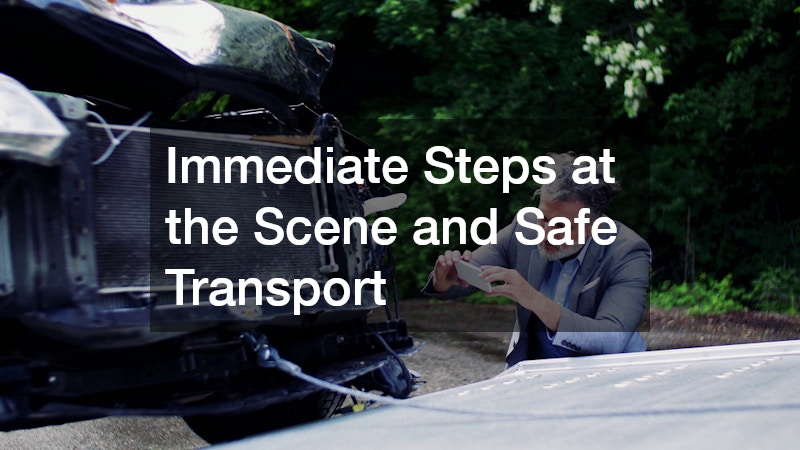
The minutes following a traffic accident are chaotic and stressful, but owners of modified trucks face unique challenges right away. After ensuring everyone involved is safe and calling emergency services, documenting the scene with meticulous detail becomes the top priority. For a modified vehicle, this means taking high-resolution photos not just of the clear body damage, but also of the suspension components, undercarriage, custom wheels, and any specialized exterior accessories. Because aftermarket modifications change how a vehicle absorbs impact forces, capturing these visual details early can provide invaluable evidence later when dealing with adjusters. Once the initial police report is completed, the focus shifts to removing the vehicle from the roadway safely. This is where many custom truck owners run into their first major hurdle. Standard hook-and-chain trucks or small flatbeds are often completely inadequate for hauling a widened, lengthened, or heavily lifted vehicle. Attempting to force a modified truck onto an incorrect transport vehicle can cause massive secondary damage to custom bumpers, transfer cases, and delicate steering links. Owners must explicitly request a heavy-duty flatbed transport equipped with extended ramps and proper clearance metrics. Utilizing an experienced commercial towing service that understands how to secure oversized tires and custom chassis points without causing further structural harm is non-negotiable. Drivers should never allow a random operator to clear their vehicle without confirming that the equipment can handle the specific dimensions and weight of the modified rig. Taking the time to ensure proper transit prevents minor cosmetic issues from turning into catastrophic mechanical failures before the truck even reaches a secure storage lot or facility.
Choosing the Right Structural Repair Facility
Once the vehicle is safely removed from the scene of the accident, the next critical decision involves selecting where it will be stored and evaluated. Many coverage providers will immediately recommend a list of preferred or direct-repair facilities to streamline the process. While these shops are often perfectly fine for standard commuter vehicles, they rarely possess the specialized tools, frame-straightening machinery, or technician expertise required to properly handle a modified truck or SUV. Modified vehicles frequently feature altered frame dimensions, heavy steel armor, and unique weight dynamics that standard diagnostic equipment cannot accurately measure. Choosing a specialized auto body shop that regularly handles custom truck builds and frame-off restorations is essential for ensuring structural integrity. A facility with experience in this niche will understand how to inspect the frame horns, crossmembers, and mounting points that bear the brunt of off-road and on-road impacts. They will also possess the heavy-duty frame racks capable of handling oversized chassis. Owners have the legal right in almost every jurisdiction to choose exactly where their vehicle is repaired, regardless of pressure from claims adjusters. Leaving a custom truck at a shop that relies solely on factory automated measurement systems can lead to missed frame cracks, misaligned body panels, and a vehicle that is permanently unsafe to drive. A qualified shop will take the time to perform a thorough teardown, measuring every square inch of the vehicle against specialized specifications to build an accurate repair blueprint.
Deciphering Complex Coverage and Policy Nuances
Navigating the financial side of a custom vehicle accident requires a deep understanding of how automotive coverage actually functions. A standard auto insurance policy is designed to restore a vehicle to its factory-original condition using standard valuation metrics. If an owner has poured thousands of dollars into high-end modifications without updating their coverage, they might be in for a harsh awakening when filing a claim. Carriers typically utilize strict valuation guides that completely ignore the presence of premium aftermarket parts unless a specific rider or endorsement was added to the policy beforehand. This is known as Custom Parts and Equipment coverage, which explicitly protects items like upgraded wheels, winches, custom leather interiors, and specialized paint jobs. When a claim is filed after a wreck, the adjuster will attempt to write an estimate based strictly on stock components, which can leave a massive financial gap for the vehicle owner. It is up to the policyholder or their chosen repair facility to provide comprehensive documentation, including original purchase receipts, installation invoices, and high-quality photographs of the vehicle before the incident occurred. Proving the exact pre-accident condition and value of every single modification is the only way to ensure the payout reflects the true worth of the build. If the accident was caused by another driver, their property damage liability should theoretically cover the full cost of restoring the modified vehicle, but dealing with a third-party insurer often requires an uphill battle that demands ironclad proof of value and clear communication throughout the negotiation process.
Managing Structural Restoration and Sourcing Components
The physical reconstruction of a damaged truck or SUV involves far more than just popping out dents and spraying fresh primer. When a modified vehicle undergoes heavy collision repair, technicians must look well beyond the superficial sheet metal to understand how the impact forces traveled through the entire vehicle platform. Because aftermarket bumpers, rock sliders, and specialized body armor are significantly rigid compared to factory plastic components, they alter how a vehicle crumples during an impact. Instead of absorbing the energy, these stiff components can transfer the force deeper into the frame and drivetrain, causing hidden structural damage that standard inspections might miss entirely. Furthermore, sourcing the correct replacement components presents a massive logistical hurdle. Standard collision shops rely on automated parts databases linked to vehicle identification numbers to order factory components. For a custom rig, these databases are virtually useless. The repair facility must coordinate with specialized auto part services that have direct connections to aftermarket manufacturers, off-road fabrication shops, and niche distributors. Tracking down the exact brand, model, and specification of a damaged aftermarket component can take considerable time, especially if the parts are built-to-order or require custom powder coating. Utilizing alternative parts or universal substitutes can compromise the safety, performance, and look of the entire build. A meticulous repair process requires the shop to document every single non-standard part that needs replacement, submit detailed supplements to the claims office, and wait for explicit approval before proceeding with the installation of specialized equipment.
Verifying Mechanical and Structural Safety
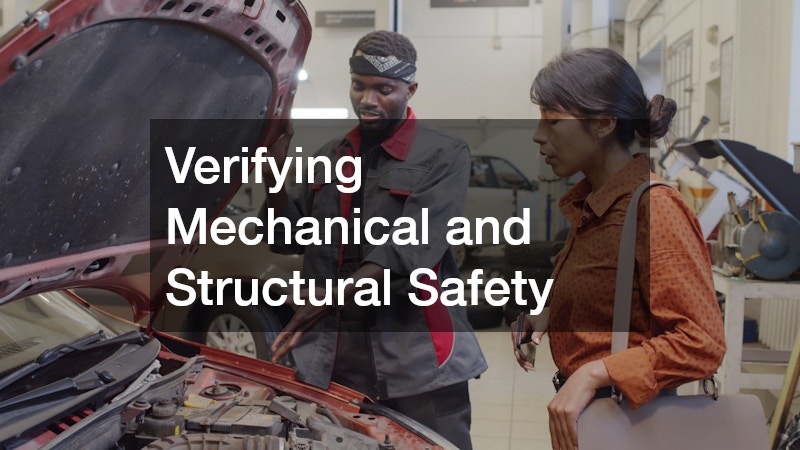
Even after the body panels are perfectly aligned and the fresh paint has cured, a modified truck cannot simply be handed back to the owner without a comprehensive mechanical evaluation. Altering a vehicle’s ride height, track width, or tire size places unique stresses on the steering rack, wheel bearings, drive shafts, and braking systems. When an accident occurs, these mechanical components are highly susceptible to subtle, internal damage that cannot be seen with the naked eye. A hairline fracture in a steering knuckle or a slightly twisted driveshaft yoke can lead to catastrophic failure when driving at highway speeds or navigating rough terrain. To ensure the vehicle is genuinely safe to operate, it must be thoroughly inspected by a certified local auto repair specialist who understands the nuances of modified drivetrains and suspension geometry. This specialized technician will perform a precision four-wheel alignment, check the pinion angles, inspect the universal joints, and verify that the electronic stability control systems have been properly recalibrated to account for the modifications. Standard alignment machines often lack the correct software parameters for lifted or widened vehicles, making manual measurements and expert diagnostic interpretation absolutely vital. The mechanical specialist will also road-test the vehicle under various load conditions to ensure there are no unusual vibrations, noises, or handling quirks that indicate lingering, unresolved issues from the collision. Skipping this rigorous mechanical verification process puts the driver and everyone else on the road at serious risk, as structural beauty means nothing if the underlying mechanical systems are compromised.
When to Seek Legal Representation

Because large corporations operate on strict profit margins, they frequently employ tactics designed to minimize payouts, delay claim processing, or deny coverage for expensive aftermarket modifications entirely. When a vehicle owner finds themselves trapped in a seemingly endless cycle of lowball repair estimates, disputed fault allocations, or outright denials, it is time to seek professional legal assistance. Engaging an experienced personal injury and property damage lawyer can completely shift the dynamics of a disputed claim. A qualified legal professional understands the specific consumer protection laws, insurance regulations, and valuation strategies required to hold powerful corporate entities accountable. They can retain independent automotive appraisers to establish the true market value of the modified vehicle, present concrete evidence regarding the necessity of specialized repair techniques, and handle all direct communication with difficult adjusters. This is especially critical in cases involving diminished value, where an owner seeks compensation for the permanent loss in resale value that a vehicle suffers simply because it now has an accident history on its record. A legal advocate ensures that the vehicle owner is not forced to accept substandard repairs or financial losses out of sheer exhaustion. By having a professional manage the legal complexities, the owner can focus on getting their truck properly restored without the immense stress of fighting a multi-billion-dollar corporation alone.
Aesthetic Restoration and Final Paint Protection
Once the structural, logistical, and legal battles are finally resolved, the modified truck or SUV enters its final stage of physical recovery: restoring the pristine exterior aesthetic. Spending weeks inside a dusty body shop surrounded by sanding blocks, welding sparks, and chemical overspray takes a major toll on a vehicle’s appearance. Before the vehicle can be delivered back to the owner, it must undergo a meticulous, professional cleaning process. A standard automated wash is completely out of the question for a specialized vehicle, as the aggressive brushes can easily scratch custom finishes or snag on specialized external accessories like roof racks and snorkels. Instead, the vehicle requires a dedicated hand-executed car wash service to safely remove all industrial fallout, compound residue, and shop dust from every nook and cranny.
Once the surface is completely clean and decontaminated, the focus shifts to preserving the freshly cured paint panels and matching them with the undamaged portions of the vehicle. For owners who invested in advanced exterior protection before the crash, this step is crucial for maintaining long-term resale value. The shop or a professional detailer must carefully reapply a high-grade ceramic coating to the newly replaced body panels. This hydrophobic layer ensures that the entire vehicle has a uniform level of protection against UV rays, road salt, and trail debris. Properly matching and blending the coating across old and new panels requires specialized curing equipment and a climate-controlled environment. By taking the time to complete these final aesthetic steps, the truck is not only structurally and mechanically sound but also fully restored to its pre-accident show-stopping condition, allowing the owner to finally put the entire stressful ordeal behind them.
About the Author